Brandon Doyle Brandon Doyle

Parking Lot Stencils Essential Guide for Durable and Clear Markings

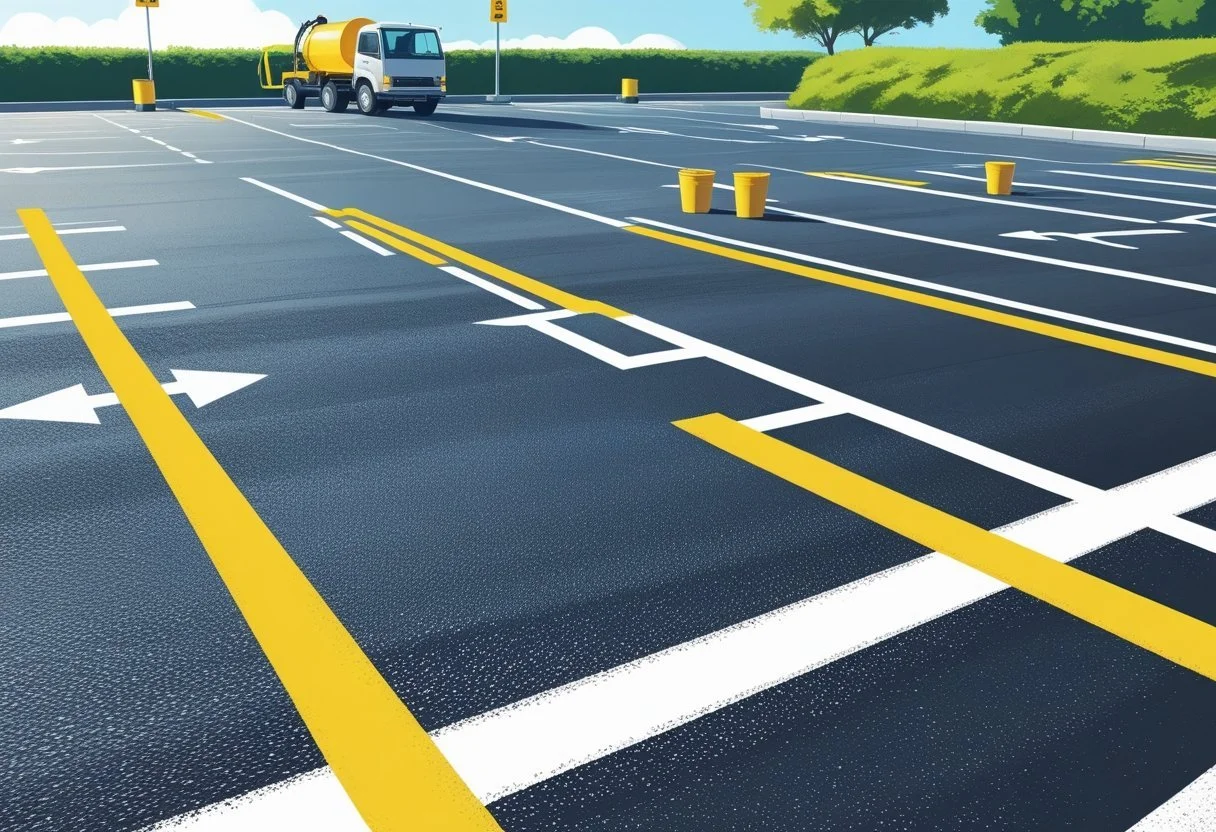
Parking lot stencils come in various forms, each serving a specific purpose to organize and enhance your parking area

Parking lot stencils play a crucial role in creating clear, organized, and safe parking areas. They provide the precise markings needed to guide drivers, designate spaces, and comply with regulations, which helps improve traffic flow and safety in any parking lot. Whether you need numbers, handicap symbols, directional arrows, or custom designs, using quality stencils ensures consistent and durable results.

When you work with a trusted company like Trueline Striping, you benefit from professional expertise in creating parking lot markings that meet both visual and regulatory standards. Serving WACO, TEMPLE, BELTON, KILLEEN, and CENTRAL TEXAS, Trueline offers services ranging from new construction striping to ADA compliance and restriping. This comprehensive approach simplifies managing your parking needs, so your spaces remain safe and welcoming over time.

You can also count on timely, efficient service that minimizes disruption to your operations. Whether it’s striping new lots or refreshing existing ones, using the right stencils is essential to maintaining a professional appearance and functional layout. With the right markings in place, your parking area supports a better experience for your customers and employees alike.

Types of Parking Lot Stencils

Parking lot stencils come in various forms, each serving a specific purpose to organize and enhance your parking area. You’ll find stencils designed for numbering spaces, displaying words for clear communication, customizing specific markings, and designating lanes or reserved areas. Choosing the right stencil type affects the clarity and functionality of your lot.

Number Stencils

Number stencils are essential for identifying individual parking spaces clearly. They help with organization, allowing you to assign spots for employees, visitors, or specific vehicles. These stencils are usually numeric digits, ranging from single to multiple digits based on the size of your lot.

Durability is key since numbers face frequent wear from vehicle tires and weather. Professional-grade materials like Mylar or metal offer longevity and consistent paint application. Number stencils also simplify lot management, facilitating enforcement and maintenance tasks, especially in lots requiring assigned parking.

Word Stencils

Word stencils communicate important instructions and designate areas like “STOP,” “EXIT,” “ENTRANCE,” or “HANDICAP.” These markings ensure drivers and pedestrians understand traffic flow and regulations quickly. Words are typically in bold, clear fonts to maximize readability from a distance.

You should select stencils compliant with local regulations, particularly for accessibility-related words like “ADA.” Using word stencils can also enhance safety by directing drivers to no-parking zones, fire lanes, or loading zones. The precise application impacts lot usability and reduces confusion among visitors.

Custom Stencils

Custom stencils allow you to display unique messages, logos, symbols, or branding on your parking surface. Whether you need company logos, special symbols for electric vehicle charging, or safety icons, custom stencils provide tailored solutions.

This type gives you flexibility to address your lot’s specific needs beyond standard markings. High-quality custom stencils maintain sharp edges and clear designs even with repeated repainting. If your business requires distinct branding or unique signage, custom stencils are an effective option.

Lane and Reserved Stencils

Lane stencils define driving paths within the parking lot, marking directional arrows or dividing lanes to control vehicle movement. These are essential to avoid congestion and improve traffic safety. Arrows and lane indicators guide vehicles through entrances, exits, and between rows.

Reserved stencils designate spaces for special users such as handicapped parking, employee-only spots, or visitor parking. They often combine words and symbols for clarity and must comply with ADA regulations when applicable. Applying these stencils precisely improves lot organization and ensures legal compliance.

At Trueline Striping, we specialize in providing durable, clear parking lot stencil applications in WACO, TEMPLE, BELTON, KILLEEN, and Central Texas areas. Whether you need new construction striping, restriping, or ADA compliance markings, our expertise covers all stencil types to meet your lot’s requirements. Learn more about our services for creating safe, well-marked parking lots.

For detailed stencil options and durable materials, see parking lot stencils at Stencil Ease.

Materials and Durability

Choosing the right material for parking lot stencils affects how well your markings hold up to weather, paint, and heavy traffic. Durability varies across plastic and metal options, and reusability plays a key role in long-term value and efficiency.

Polyethylene Plastic Stencils

Polyethylene plastics, especially Low-Density Polyethylene (LDPE) and Linear Low-Density Polyethylene (LLDPE), are common for parking lot stencils due to their flexibility and resistance to wear. These plastics resist cracking and bending, making them ideal for repeated use on rough surfaces.

You’ll find that stencils made from these materials resist paint buildup and clean easily, which helps maintain clear, precise markings. Thicknesses generally range from 1/16 to 1/8 inch; the thicker variants provide added rigidity, favored by contractors for better control.

Polyethylene stencils typically last through dozens to over 100 applications, balancing cost and durability well. For quality stencil materials and supplies, consider a trusted provider like Trueline Striping, especially if you operate in Central Texas locations such as Waco or Killeen.

Aluminum and Metal Options

Metal stencils, particularly those made from aluminum, offer exceptional durability and long-term usage. Unlike plastic, metal won’t warp under heat or bend easily under pressure. This makes aluminum suitable for large-scale, repetitive jobs in harsh environments.

While metal stencils are more expensive upfront, they deliver consistent precision and can endure hundreds of uses without losing shape. They are best for businesses or municipalities needing heavy-duty stencil solutions.

The downside is the added weight and cost compared to plastics. Handling requires more care to avoid injury or damage. However, if you prioritize longevity and precision for high-traffic lots, metal options are worth considering.

Reusable vs. Single-Use Stencils

Deciding between reusable and single-use stencils depends on your project frequency and budget. Reusable stencils, often made from durable polyethylene or metal, are designed to withstand multiple applications, providing cost-efficiency over time.

Single-use or temporary stencils are typically less durable, often crafted from thin vinyl or lightweight plastic. They are suitable for one-time or short-term marking needs but tend to degrade quickly with paint and weather exposure.

Reusable stencils maintain their shape and clarity longer, reducing distortions that can affect line quality. For ongoing parking lot marking, relying on reusable options improves consistency and reduces waste, aligning with the quality standards that Trueline Striping upholds in its services across Temple and Belton.

Applications and Uses

Parking lot stencils serve a variety of practical purposes that improve organization, safety, and visual communication. They allow you to clearly designate individual parking spots, guide vehicle and pedestrian movement, and reinforce your brand identity with custom messages.

Parking Space Markings

Marking parking spaces with durable parking lot stencils helps you maximize lot efficiency and reduce congestion. Numbered and reserved stencils identify specific spaces for customers, employees, or handicapped access, ensuring everyone knows where to park. These markings are especially important in commercial and residential lots, aiding quick navigation.

Using high-quality lane stencils creates clear boundaries for driving lanes and parking rows, which prevents accidents and optimizes space use. When restriping an existing lot, refreshing faded lines restores clarity and safety. Trueline Striping provides expert marking services in WACO, TEMPLE, BELTON, KILLEEN, and CENTRAL TEXAS, ensuring your lot meets both visual and regulatory standards.

Directional and Safety Markings

Directional stencils are critical for controlling traffic flow and enhancing safety in busy parking areas. Arrows, stop bars, and crosswalk markings help drivers and pedestrians move without confusion or conflict.

You can also use safety-focused markings like fire lane stencils, loading zones, and no-parking areas to enforce rules and maintain clear emergency access. Proper use of these stencils minimizes liability risks and keeps your property compliant with local regulations.

Branding and Custom Messages

Custom stencils allow you to incorporate logos, business names, or promotional messages into your parking lot design. This reinforces your brand identity while improving the overall appearance of your lot.

Using custom stencils also helps convey important information, such as visitor parking or employee-only zones, enhancing communication without clutter. Trueline Striping offers tailored stencil solutions that fit your needs, creating professional, attractive markings from plan to pavement.

How to Use Parking Lot Stencils

Using parking lot stencils correctly involves thoughtful preparation, precise placement, and clean painting techniques. Paying attention to these factors ensures clear, durable markings that improve safety and navigation.

Preparation and Surface Selection

Start by inspecting the surface for cleanliness and smoothness. Remove dirt, oil, and debris using a broom or pressure washer. A clean, dry surface ensures paint adheres properly and prevents premature fading or peeling.

Check for cracks or damage. Repair any uneven areas or potholes before applying stencils to avoid distorted markings. Asphalt or concrete surfaces are best, with concrete typically requiring longer drying times.

Choose a day with dry weather and minimal wind. Avoid stenciling when rain or extreme temperatures might affect paint curing. Proper surface preparation and timing contribute to long-lasting results and safer parking areas.

Stencil Placement Techniques

Accurate stencil placement is key to professional-looking parking lot markings. Measure your layout carefully using tape measures and chalk lines to mark guidelines.

Position the stencil flat on the surface, securing edges with weights or tape to prevent movement during painting. For numbered or directional stencils, double-check alignment to maintain consistency across the lot.

Use a level or straight edge for lines, especially for ADA spaces or fire lanes that require strict compliance. Sturdy placement helps achieve clean edges and consistent shapes, which is important for both appearance and functionality.

Painting and Cleanup Guidelines

Use high-quality, durable pavement paint designed for parking lots, preferably reflective or thermoplastic for visibility. Apply paint evenly with a sprayer or roller, holding the applicator perpendicular to the surface to avoid bleeding under the stencil.

Limit the amount of paint per coat and build up layers as needed. Allow each coat to dry before applying another to maintain sharp edges and avoid smudging.

After painting, carefully lift the stencil straight up to prevent paint cracks or distortion. Clean stencils immediately with water or solvent to preserve their usability for future projects.

Following these steps will help your parking lot markings last longer and look more professional. For expert help with new construction striping or restriping in WACO, TEMPLE, BELTON, or KILLEEN, consider contacting Trueline Striping to get superior results that prioritize safety and compliance.

Choosing the Right Parking Lot Stencils

Selecting the correct parking lot stencils involves careful attention to legal requirements and practical design. You need to focus on durability, functionality, and how easily the markings guide users through your space. Proper choices affect traffic flow, safety, and compliance with regulations.

Compliance with Standards

Your parking lot stencils must meet specific standards to ensure legal compliance and safety. For example, ADA (Americans with Disabilities Act) rules require clearly marked accessible parking spaces using specific symbols and wording. Failing to follow these can lead to fines or costly rework.

Make sure the stencils you use reflect officially approved designs for handicapped spaces, fire lanes, and other regulated areas. This includes not only the shape and size of symbols but also the wording on word stencils like “NO PARKING” or “FIRE LANE.”

When you work with a provider like Trueline Striping in WACO, TEMPLE, BELTON, or KILLEEN, you get expertise in applying stencils that strictly adhere to these standards. This protects your business and ensures your lot remains safe and accessible.

Size and Visibility Considerations

The size of the stencils directly affects how visible and effective your markings are. Oversized or undersized stencils can confuse drivers or create cluttered visuals. Your stencil dimensions must fit the parking space without crowding adjacent areas.

For example, arrow stencils should be large enough for drivers to see at a distance but not so big they overpower space lines. Word stencils like “HANDICAP” need bold, clear lettering that remains readable even as paint fades over time.

Consider stencil materials designed for long-term durability—polyethylene or metal options withstand weather and heavy traffic. Using quality materials means your markings maintain high visibility, reducing maintenance needs.

Choosing the right stencil size and materials helps you create a parking lot that guides traffic smoothly and looks professional year-round. Trueline Striping’s services include selecting and applying high-grade stencils suited for Central Texas parking lots, providing longevity and compliance in one package.

Frequently Asked Questions

Understanding the essentials of parking lot stencils helps you create clear, durable markings that meet safety and regulatory standards. Knowing where to source materials and how to choose the right stencil sizes or designs ensures your lot stays professional and compliant.

What materials are needed to create DIY parking lot stencils?

You will need durable materials like 60-125 mil plastic or mylar sheets that withstand paint and repeated use. Paint-resistant cutting tools and high-quality spray paint designed for pavement ensure crisp, lasting markings.

Where can I find premade stencils for parking lot markings?

Premade stencils are available from specialized suppliers offering common symbols, numbers, and line designs. Industry providers often stock basic striping and number stencils tailored for commercial and public parking areas.

How can I order custom-designed stencils suitable for parking spaces?

You can order custom stencils online or via phone from companies that specialize in personalized designs. Custom options allow you to address specific needs like logos, unique numbering systems, or regulatory symbols.

What are the standard sizes for number stencils used in parking areas?

Number stencils typically range from 4 to 8 inches in height, depending on visibility requirements and parking lot size. Larger stencils improve readability from a distance, which aids drivers in quickly locating their spots.

Which retailers offer durable stencils for parking lot use?

Look for retailers providing plastic or mylar stencils designed for heavy use in commercial environments. They often supply kits including common parking symbols, numbers, and striping guides to streamline your project.

Are there any heavy-duty stencil options for high-traffic parking lots?

Heavy-duty stencils, such as 125 mil thickness or thicker, are designed for professional use in busy lots. These stencils resist wear and can withstand frequent repainting, making them suitable for schools, hospitals, and commercial properties.

For expert striping services in Central Texas, including WACO, TEMPLE, BELTON, and KILLEEN, Trueline Striping offers new construction striping, restriping, and ADA compliance marking. From plan to pavement, they ensure your parking lot is safe, clear, and well-organized. Learn more about effective parking lot number stencils at Trueline Striping's essential guide.

Read More
Brandon Doyle Brandon Doyle

Driveway Sealing Companies Near Me Guide to Top Local Services and Pricing

When hiring a driveway sealing company, you’ll want dependable service that protects your asphalt and enhances curb appeal.

When searching for driveway sealing companies near you, it’s important to choose a service that combines quality, experience, and reliability. Driveway sealing protects your pavement from damage, extends its lifespan, and maintains its appearance, making it a smart investment for any property owner. You want a company that uses proven materials and techniques to ensure lasting results.

Your driveway’s condition affects curb appeal and safety, so scheduling regular sealing is key. Whether it’s a residential driveway or a commercial parking area, professional sealers can prevent cracks, reduce wear, and improve overall durability. If you’re in Central Texas, companies like Trueline Striping offer complementary services that keep your entire property well-marked and organized, enhancing both safety and aesthetics.

Choosing the right company means finding one that understands your needs and local conditions. With specialized services ranging from new construction striping to ADA compliance, Trueline Striping provides dependable solutions to keep your parking areas clear and compliant, supporting your property’s functionality and value.

What To Expect From Driveway Sealing Companies Near Me

When hiring a driveway sealing company, you’ll want dependable service that protects your asphalt and enhances curb appeal. Look for thorough preparation, quality materials, and clear communication throughout the process.

Overview of Professional Driveway Sealcoating Services

Driveway sealcoating involves cleaning, repairing, and applying a protective layer to asphalt surfaces. Professionals will start by power washing and scarifying the driveway to remove dirt and loose particles. This ensures the sealant adheres properly.

Crack repairs usually follow, using rubberized sealants to fill gaps and prevent water damage. The sealcoating company then applies an even coat of sealant, often using a squeegee or spray system, to protect against oxidation, UV rays, and wear.

Expect a curing period of 24–48 hours before normal use, during which the surface should be kept dry. Many companies provide a six-step process to guarantee comprehensive coverage and longevity.

Qualities of Reputable Driveway Sealing Providers

Reliable driveway sealing companies prioritize experience, quality materials, and customer satisfaction. Look for providers who use industry-approved sealants designed specifically for asphalt sealcoating.

They should offer clear estimates and explain each service stage plainly. Good companies maintain proper equipment and can handle crack filling, sealcoating, and minor repairs. Customer reviews on platforms like Yelp can help confirm their reputation.

Transparency about the curing time, pricing, and warranty options is also important. A trustworthy company will not promise a quick fix but instead focus on lasting protection for your driveway’s lifespan.

Importance of Choosing Local Experts

Local driveway sealing companies understand your area's climate and asphalt issues better than national chains. This helps them recommend the best materials and timing to maximize sealant effectiveness.

Working with local experts means easier scheduling flexibility and faster response times. They are more likely to have positive community reviews and a vested interest in maintaining their reputation.

For property owners in Central Texas, companies like Trueline Striping emphasize customer service and use durable products tailored to the region’s needs. Partnering with local pros ensures your driveway sealing project goes smoothly from start to finish.

For more information on finding quality sealcoating services, visit best driveway sealing companies near you.

How Driveway Sealing Works

Driveway sealing involves several precise steps and the use of specialized materials to protect your pavement from damage caused by water, oils, and UV exposure. The process enhances durability while improving the overall look of your driveway. Understanding the method can help you choose the right service and know what to expect during application.

Typical Driveway Sealing Process

The sealing process starts with thorough cleaning of the driveway surface to remove dirt, debris, and any existing loose materials. This preparation ensures proper adhesion of the driveway sealer. Small cracks are often filled before sealcoating to prevent further damage.

Next, the area is secured to prevent traffic during application and drying. The driveway sealer is applied evenly across the surface, typically by spraying or squeegee. After application, the sealer needs time to dry without disturbance, usually several hours to a full day depending on weather conditions. Proper curing strengthens the protective barrier your driveway receives.

Materials and Equipment Used for Sealcoating

Driveway sealers come in various compositions, including coal tar emulsions, asphalt-based sealers, and acrylics. Asphalt-based sealcoat is common for sealing asphalt driveways, providing water resistance and protecting against oils. Coal tar sealcoats are favored for their chemical resistance but are less environmentally friendly.

Equipment typically used includes power brooms for cleaning, blowers to remove dust, and spray systems or squeegees for applying the sealcoat. Professional teams ensure even coverage and avoid pooling, which could lead to uneven drying or damage.

Hot Asphalt and Professional Application Techniques

Hot asphalt is generally used for driveway repair or overlay, not for final sealcoating. It requires heating to high temperatures and is applied while still pliable to fill deeper cracks or resurface worn areas. Sealcoating, by contrast, uses cold-applied emulsions for surface protection.

Professionals use specific techniques to ensure an even, long-lasting coat. Temperature and humidity are monitored closely, because sealcoat applied under poor conditions can bubble, peel, or crack. Companies like Trueline Striping emphasize quality application by preparing the surface properly and using the right sealcoat type for your driveway material and local climate.

Driveway Maintenance and Repair Solutions

Proper care for your driveway involves targeted treatments that address common issues like cracks, surface damage, and asphalt wear. Timely repairs and preventative measures help maintain structural integrity and extend the lifespan of your pavement.

Crack Sealing and Its Role

Crack sealing is a critical step in driveway maintenance that prevents water and debris from penetrating the asphalt surface. By filling cracks with specialized sealants, you stop small openings from expanding due to freeze-thaw cycles and traffic stress.

This process preserves the substructure beneath the pavement and reduces the likelihood of larger potholes or structural failures.

Regular crack sealing can save you money by avoiding costly repairs later. Professionals use hot rubberized materials or cold-applied sealants, depending on the crack size and weather conditions during application.

Asphalt Repair Methods

Asphalt repair ranges from minor surface treatments to more extensive patchwork. For small holes or localized damage, patching can restore smoothness and prevent further deterioration.

More significant repairs may involve milling the damaged area and applying new asphalt layers. This ensures a uniform surface and reinforces weak spots under traffic loads.

Your repair plan depends on the damage severity, traffic volume, and budget. Using quality materials and experienced contractors guarantees longer-lasting results.

Prolonging Asphalt Pavement Life

To maximize the life of your asphalt pavement, routine maintenance like sealcoating and crack sealing is essential. Sealcoating protects the surface from oxidation, UV rays, oil spills, and water penetration.

Good drainage and timely repairs also help avoid structural damage. You should inspect your driveway at least once a year and address problems early.

For commercial spaces, clear line striping complements these efforts by improving safety and traffic flow. Trueline Striping offers expert parking lot striping services in Central Texas, ensuring that your pavement markings stay visible and compliant.

Investing in these maintenance steps helps maintain curb appeal and prevents expensive rehabilitation down the road.

Comparing Driveway Sealers and Application Types

Understanding the differences between various driveway sealers and how they are applied can help you protect your pavement effectively. The choices you make impact durability, appearance, and maintenance frequency.

Types of Driveway Sealers

There are four main types of driveway sealers: asphalt-based, coal tar, acrylic, and penetrating sealers.

Asphalt sealcoating is common and affordable, offering good protection against water and UV damage. It darkens the driveway, enhancing curb appeal.

Coal tar sealers are highly resistant to oil and gasoline stains, making them durable but less environmentally friendly.

Acrylic sealers dry quickly and offer a glossy finish, plus UV resistance. They come in clear and tinted varieties.

Penetrating sealers soak into concrete surfaces, sealing from within rather than coating the top. These are ideal for concrete driveways but don’t change the color.

Choosing the right sealer depends on your pavement type and exposure to elements.

Choosing the Right Sealcoating Method

The application method affects the quality and lifespan of the sealcoat. You can expect methods like spraying, brushing, or squeegeeing applied based on driveway size and sealer type.

Spraying is fast and provides a uniform coat, often used for asphalt sealcoating. It covers large areas efficiently.

Brushing allows detailed work for small cracks or edges but is labor-intensive and slower.

Squeegee application spreads the sealer evenly and is popular for thick, durable layers. It requires skill for an even finish.

Proper surface preparation before application is crucial, including cleaning and repairing cracks for best adhesion. Hiring a professional like Trueline Striping can ensure precise application and long-lasting results. For more options, you can explore various driveway sealcoating companies that suit your needs.

Tips For Hiring The Best Local Driveway Sealcoating Company

Hiring a driveway sealcoating company requires careful consideration of specific details to ensure quality work and good value. You should focus on the contractor’s experience, credentials, reputation, and the transparency of their pricing and warranty terms. Knowing what questions to ask upfront and how to verify their qualifications can save you time and money.

Questions to Ask Before Hiring

Start by asking about the company’s experience with driveway sealing, especially in your local area. Confirm how long they’ve been in business and inquire about the types of sealcoat products they use. The condition and size of your driveway will affect the job’s duration, so ask how long the project will take and when it can be scheduled.

Clarify whether the contractor handles surface preparation and repairs before applying sealcoat, as proper prep is crucial for a lasting finish. Also, ask if they provide references or before-and-after photos of completed jobs. A reliable sealcoating company should answer these questions clearly and confidently.

Checking Credentials and Reviews

Verify that the company holds the proper licenses and insurance to operate in your state. This protects you from liability in case of accidents. Checking online reviews, especially on platforms like Yelp, will give insight into their reputation. Look for consistent positive feedback about punctuality, workmanship, and customer service.

Beware of contractors with few or no reviews. If possible, contact past customers to hear about their experience. A professional driveway sealing company values transparent feedback. Confirm whether the company follows industry standards and uses equipment and sealants that meet local regulations.

Understanding Estimates and Warranties

When comparing estimates, focus not only on price but also on what services and materials are included. A low bid may exclude surface preparation or high-quality sealant, leading to future problems. Ask for a written estimate breaking down costs, such as labor, materials, and cleanup.

Check if the company offers a warranty covering issues like early peeling or cracking. Warranties vary in length and coverage, so understand the terms before signing a contract. Knowing your options clearly will help prevent unexpected expenses and ensure you receive quality workmanship.

For your parking lot striping needs in Central Texas, companies like Trueline Striping specialize in providing clear, durable marks with a focus on safety and compliance. Just as with sealcoating, choosing the right contractor makes a significant difference in the longevity and appearance of your paved surfaces. You can find reliable local driveway sealing contractors by searching “driveway sealing near me” and reviewing their qualifications carefully. For more detailed advice on choosing professionals, visit 5 Things to Look for when Hiring a Sealcoating Company.

Frequently Asked Questions

Understanding costs, maintenance, and protection options can help you make informed decisions about driveway sealing. Knowing how the process works and what to expect ensures the best results and longevity for your driveway.

What is the typical cost range for driveway sealing services?

Driveway sealing typically costs between $0.10 and $0.30 per square foot. The final price depends on driveway size, condition, and the type of sealant used. Additional repairs like crack filling can increase the cost.

How often should a driveway be resealed?

Most driveways need resealing every 2 to 3 years. Factors like climate, traffic, and wear affect this schedule. Regular inspections help determine when resealing is necessary.

What are the best practices for maintaining a sealed driveway?

Keep your driveway free of dirt and debris by cleaning it regularly. Avoid using harsh chemicals or sharp tools that can damage the sealant. Promptly repair any cracks or stains to extend the life of the seal.

Which type of sealant offers the longest protection for a residential driveway?

Coal tar-based sealants are known for longer-lasting protection against oil, gas, and UV damage. Asphalt emulsions are more eco-friendly but may require more frequent application. Choose a sealant based on your driveway use and environmental considerations.

Can driveway sealing help with crack and pothole prevention?

Sealing your driveway protects against moisture penetration, which is a primary cause of cracks and potholes. While sealing prevents minor damage, severe cracks or holes will need professional repair before sealing.

What is the process involved in professional driveway sealing?

A professional will first clean the driveway thoroughly, removing dirt, oil, and vegetation. Cracks and holes are then repaired. The sealant is applied evenly, usually by spray or squeegee, and allowed to cure for several hours before use.

For parking lot striping and maintenance in Central Texas, Trueline Striping offers comprehensive services to keep your exterior surfaces safe and well-marked. Whether new construction or restriping, their team provides reliable, high-quality work across WACO, TEMPLE, BELTON, and KILLEEN.

Read More
Brandon Doyle Brandon Doyle

Best Paint for Parking Lot Lines: Durable Solutions for Clear Markings

Selecting the right paint for your parking lot lines involves more than just color choice

Choosing the best paint for parking lot lines is crucial to ensure your markings stay visible, durable, and compliant with safety standards. The ideal paint is specially formulated for outdoor use, resistant to weather, traffic wear, and fading—typically solvent-based or water-based acrylic paints designed for pavement. Using the right paint improves safety and organization, making your lot easier to navigate.

If you want long-lasting results, look for paint with fast drying time and high reflectivity to maintain visibility day and night. Your choice also depends on local regulations and the traffic your parking lot experiences. For projects in Central Texas, Trueline Striping handles everything from new construction striping to ADA compliance, using premium materials to give your lot a professional, fresh appearance.

Whether you’re refreshing faded lines or creating new markings, quality paint makes a noticeable difference. Partnering with experts like Trueline Striping in Waco, Temple, Belton, and Killeen helps ensure your parking lot lines meet industry standards and stand up to everyday wear and tear.

Key Considerations When Choosing Paint for Parking Lot Lines

Selecting the right paint for your parking lot lines involves more than just color choice. You need to evaluate how the paint will perform over time, how it interacts with the surface, and how visible it remains under various conditions. These factors ensure your markings remain effective for safety and traffic management.

Importance of Durable Parking Lot Markings

Durability is critical because parking lot lines face constant wear from vehicle traffic, weather, and cleaning activities. Using traffic paint designed specifically for hard surfaces ensures your markings resist fading, cracking, and peeling. Paint longevity reduces the frequency of costly restriping and maintains clear guidance for drivers.

Thermoplastic and solvent-based paints often offer superior durability compared to water-based options. They provide a hard, resilient coating that stands up well to weather extremes and heavy use. For environments with heavy traffic, invest in paint with proven wear resistance to keep your lot safe and organized longer.

Surface Material and Traffic Volume Impact

The type of surface your parking lot has—whether asphalt or concrete—directly influences paint adhesion and performance. Asphalt generally requires paint with flexibility to adapt to surface movement, while concrete demands products with strong bonding properties.

Traffic volume is another key factor. High-traffic lots should use thicker, more durable paints to withstand constant tire wear. Light-use areas might be suitable for less robust, more cost-effective options. Your choice affects maintenance intervals and overall safety.

Consider consulting professionals like Trueline Striping, who understand how Central Texas climates and traffic conditions affect paint choices for areas like WACO | TEMPLE | BELTON | KILLEEN.

Visibility and Reflectivity Needs

Clear visibility of parking lot lines improves safety and usability. Reflective paint or additives enhance line visibility in low-light or wet conditions, which is essential for night-time safety. This is especially important for pedestrian crossings, ADA spaces, and directional arrows.

Color selection also plays a role in visibility and compliance with local regulations. White and yellow are standard for most lines, but blue is required for ADA spaces. Reflectivity can be achieved by mixing glass beads into the paint, adding a valuable layer of visibility without affecting durability.

Using a paint that keeps lines bright and reflective reduces accidents and helps your lot meet safety standards effectively. For professional application and advice on visibility, Trueline Striping offers expert parking lot painting across Central Texas.

Types of Paint for Parking Lot Lines

Choosing the right type of paint affects the durability, visibility, and safety of your parking lot markings. Different formulations offer specific benefits, including drying time, resistance to wear, and reflectivity. Understanding these options helps you select the best solution for your surface and traffic conditions.

Water-Based Paint Options

Water-based paint is popular due to its fast drying time and environmental friendliness. It’s an acrylic formulation designed for outdoor use, offering good reflectivity and brightness for clear visibility day and night. This type of paint is easy to apply and cleans up with water, reducing harmful fumes.

Ideal for moderate-traffic areas, water-based paint works well on asphalt and concrete. It resists fading caused by UV exposure and harsh weather but may wear faster under heavy vehicle flow. If you want a cost-effective, quick-drying paint that balances performance with eco-consciousness, water-based paint is a solid choice.

Solvent-Based Paint Features

Solvent-based paint, also known as oil-based or traffic paint, provides stronger adhesion and higher durability than water-based variants. It penetrates better into the pavement surface and withstands heavy traffic, oil spills, and extreme weather conditions.

This paint usually contains volatile organic compounds (VOCs), requiring proper ventilation during application. Its longer drying time means you’ll need to plan for traffic delays. However, its durability and wear resistance make it suitable for high-traffic lots needing long-lasting lines and symbols.

Thermoplastic Paint Characteristics

Thermoplastic paint is a solid material melted and applied hot onto the pavement. It forms a thick, durable layer that can last several years without fading or chipping. Highly reflective glass beads can be added for enhanced visibility, especially in low light.

This type of paint is resistant to skidding, oil, and weather damage. It requires specialized equipment to heat and apply, making it more expensive upfront but cost-effective over time due to its longevity. Thermoplastic is ideal for parking lots that face heavy use and need bold, safety-critical markings.

Epoxy Paint Applications

Epoxy paint combines resin and hardener to create a tough, chemical-resistant coating. It offers excellent adhesion on concrete surfaces and can withstand mechanical abrasion and chemical spills, including oils and gasoline. This makes epoxy paint especially useful in industrial or commercial parking lots.

Epoxy lines tend to last longer with superior brightness and reflectivity compared to standard paints. Application requires skill and appropriate curing time but results in highly durable and clearly visible markings. If durability and resistance to harsh conditions are priorities, epoxy paint is a strong candidate.

Trueline Striping uses high-quality traffic paint options tailored to your parking lot needs in WACO, TEMPLE, BELTON, KILLEEN, and CENTRAL TEXAS. Whether you require new construction striping or ADA compliance, selecting the right paint ensures your lot remains safe and efficient. For more details on striping paint and tools, explore Best Paint and Tools for Parking Lot Line Marking 2025.

Painting Methods and Equipment for Professional Results

Proper equipment and methods are crucial to achieve durable, precise parking lot lines. You need reliable tools and effective techniques to ensure consistent line width, sharp edges, and lasting visibility.

Using Line Striping Machines

Line striping machines are the industry standard for painting large parking lots efficiently and accurately. These machines are designed to apply paint evenly while maintaining consistent line thickness and straight edges.

There are walk-behind and ride-on options, each suited to different lot sizes and job scales. Using a measuring tape helps you mark out exact line spacing before starting, reducing errors. Most machines allow adjustment of paint flow and line width to fit your lot’s specific requirements.

Trueline Striping relies on top-rated line striping machines to deliver clean, professional results, especially for large commercial spaces in Central Texas. These machines facilitate faster project completion while minimizing paint waste.

Manual Application Tools

For smaller projects or touch-ups, manual tools like paint rollers, brushes, and handheld line markers work well. These tools require careful measurement and steady hands but offer flexibility when machine use isn’t practical.

Using stencils or string lines ensures accurate alignment and spacing. Keep your measuring tape handy to double-check distances and maintain uniformity across all markings. Manual application lets you address areas with tight corners or irregular shapes that machines struggle to reach.

Although manual methods are labor-intensive, they are cost-effective for minimal striping needs or correcting faded lines.

Hot Melt Versus Cold Paste Techniques

Hot melt and cold paste paints differ significantly in application and durability. Hot melt paint is heated to high temperatures before application, creating a hard, thick marking that withstands heavy traffic and harsh weather.

Cold paste paint is ready-to-use, applied at ambient temperatures. It dries faster but tends to wear out sooner, making it better suited for temporary markings or low-traffic areas.

Consider hot melt if your parking lot demands longevity and frequent use. Cold paste can be a budget-friendly choice but requires more frequent maintenance. Trueline Striping offers expert advice to help you choose the best option for your lot’s needs based on climate and usage patterns.

For more information on paint types and advantages, visit paintcatalogue.com’s guide on parking lot line paints.

Factors Affecting Paint Durability and Performance

Your choice of parking lot paint and how you manage its application directly influence how long markings remain visible and effective. Several critical elements determine the longevity and clarity of your parking lot striping, from environmental exposure to traffic demands and surface condition.

Weather and Environmental Impact

Harsh weather conditions are a primary factor in the wear of parking lot markings. UV rays from the sun cause fading and breakdown of paint pigments, especially in areas with intense sunlight like Central Texas. Rain, snow, and temperature fluctuations can cause cracking, peeling, or blistering of paint.

Humidity and moisture penetration weaken adhesion to the pavement, making your parking lot striping less durable over time. Choosing paint types with weather-resistant properties, like thermoplastic or epoxy-based coatings, can significantly improve performance.

Wind-blown debris and chemical exposure from vehicles also contribute to surface degradation. Protecting your markings with high-quality materials helps maintain clear traffic guidance and safety, reducing frequent costly touch-ups.

Surface Preparation Essentials

Proper surface preparation is critical for paint adhesion and durability. Your parking lot’s pavement must be clean, dry, and free of dust, oils, or old paint residues before applying new striping. Failure to prepare surfaces thoroughly can cause premature paint peeling and poor visibility.

Techniques such as power washing, degreasing, and crack filling ensure better paint bonding. Asphalt or concrete textures influence the choice of paint and thickness. For example, rough asphalt requires thicker coats to ensure uniform lines that resist wear.

Trueline Striping prioritizes surface prep in WACO, TEMPLE, BELTON, and surrounding areas to deliver crisp, long-lasting markings that meet safety standards, including ADA compliance.

Traffic Patterns and Maintenance Needs

The volume and type of traffic significantly affect how often you will need to repaint parking lot lines. High-traffic areas like shopping centers and office complexes experience faster wear, requiring more frequent restriping. By contrast, lower traffic lots may see longer periods between maintenance.

Heavy vehicles, frequent braking, and turning can accelerate abrasion and fading. Planning your striping schedule based on observed traffic patterns helps maintain consistent visibility and safety.

Regular inspections and spot touch-ups extend the life of your markings. Using durable paint formulations matched to traffic demands, like those recommended by Trueline Striping, ensures you optimize cost and performance in your parking lot striping projects.

Best Practices for Long-Lasting Parking Lot Lines

Maintaining crisp and durable parking lot lines requires attention to timing, weather conditions, and ongoing upkeep. Proper preparation and timely repainting extend the life of your parking lot striping and ensure compliance with safety standards.

Application Timing and Conditions

Paint parking lot lines only when the surface is dry and temperature ranges between 50°F and 85°F. Avoid painting during rain, high humidity, or extreme heat to prevent poor adhesion and premature fading.

Early morning or late afternoon application is ideal to avoid direct sunlight, which can cause paint to dry too quickly and crack. Make sure the pavement is clean and free of dirt, oil, or debris before starting. Using a high-durability, traffic-grade acrylic or epoxy paint enhances resistance to weather and heavy vehicle traffic.

Plan your striping project considering curing time—allow at least 24 hours for the paint to fully set before reopening the lot to traffic. Following these steps limits wear and keeps your markings visible longer.

Line Maintenance and Repainting Tips

Regular inspection ensures your parking lot lines remain clear and compliant with ADA requirements. Schedule repainting every 12 to 18 months or sooner in heavily trafficked areas. Fading, chipping, or cracking are signs that restriping is needed.

Use a combination of cleaning and light touch-ups for minor wear. Pressure wash the surface to prepare for repainting. If repainting, remove old paint chips to avoid uneven surfaces.

Trueline Striping recommends maintaining a maintenance log to track repainting schedules and ensure consistent upkeep. Proper maintenance not only preserves safety but also enhances your property’s curb appeal and customer experience.

Frequently Asked Questions

Choosing the right paint for parking lot lines means balancing durability, application methods, environmental impact, and cost. Understanding these factors helps ensure clear, long-lasting markings that improve safety and compliance.

What type of paint is most durable for parking lot striping?

High-durability traffic-grade acrylic and epoxy paints are the most resistant to weather, heavy traffic, and UV fading. Thermoplastic paints offer exceptional longevity but require specialized application.

How do you apply paint to parking lot lines for the best adherence?

Proper surface cleaning and drying are essential before painting. Use a paint striping machine for consistent lines and apply paint evenly, allowing sufficient drying time between coats to enhance adhesion.

What factors should be considered when choosing paint for parking lot lines?

Consider traffic volume, weather exposure, drying time, and maintenance needs. Your choice should balance cost, durability, and compliance with local regulations like ADA requirements.

Is thermoplastic paint preferable for parking lot line striping?

Thermoplastic paint is highly durable and weather-resistant, making it ideal for long-term applications where heavy wear occurs. However, it requires heat application equipment, which can raise installation costs.

How does the price of quality traffic paint affect its selection for parking lot use?

While higher-quality paint costs more upfront, it reduces the frequency of repainting and maintenance expenses. Investing in premium materials from providers like Trueline Striping can save money over time.

What are the environmental considerations when selecting parking lot striping paint?

Water-based acrylic paints are environmentally friendly due to low VOC emissions and fast drying times. Solvent-based options offer durability but may have greater environmental impacts to consider.

Read More
Brandon Doyle Brandon Doyle

Line Striping Companies Essential Services and Industry Standards

Line striping companies focus on creating clear, durable markings that improve safety, guide traffic, and ensure compliance with regulations.

Line striping companies play a crucial role in maintaining safe, organized, and efficient parking lots and outdoor spaces. Whether you need new construction striping, restriping, ADA compliance, or athletic court markings, professional striping enhances both safety and appearance. Clear, durable lines guide traffic, prevent accidents, and ensure accessibility for all users.

If you operate a business in WACO, TEMPLE, BELTON, KILLEEN, or Central Texas, partnering with a company like Trueline Striping guarantees expert service tailored to your specific needs. From the initial plan to pavement completion, Trueline focuses on quality materials and precise application to create long-lasting results. You can expect timely, reliable work that respects your schedule, even working after hours if needed to minimize disruption.

Choosing the right line striping company means investing in a safer, more welcoming environment for your customers and employees. With services that include everything from parking lot layout to athletic court design, you’ll find everything you need to keep your property looking professional and compliant.

Core Services Provided by Line Striping Companies

Line striping companies focus on creating clear, durable markings that improve safety, guide traffic, and ensure compliance with regulations. Their services enhance the functionality and appearance of commercial and industrial spaces through precise layout and application techniques using high-quality materials.

Parking Lot Striping

Parking lot striping is essential for organizing vehicle flow and maximizing available space. It includes marking parking stalls, traffic lanes, pedestrian crossings, loading zones, and fire lanes. Proper striping improves safety by reducing confusion and minimizing accidents.

You’ll often find services covering new construction striping and restriping options to refresh worn or faded lines. Compliance with ADA guidelines is critical, making sure accessible parking spaces and signage meet legal requirements. Trueline Striping offers these services in Waco, Temple, Belton, Killeen, and Central Texas, ensuring lots are safe, efficient, and professional.

Warehouse Striping

Warehouse striping defines specific areas such as traffic lanes, loading zones, exit routes, storage zones, and safety zones. It helps reduce workplace accidents by clearly delineating pathways for forklifts, pallet jacks, and pedestrians.

Floor markings in warehouses support operational flow, making order picking and equipment movement more efficient. Striping plans are tailored to meet safety codes and industry standards, promoting a compliant and organized environment. Companies like Trueline Striping use durable materials that withstand heavy traffic and industrial wear.

Floor Markings

Floor markings extend beyond parking lots and warehouses to include industrial and commercial spaces requiring visual guidelines. These markings guide foot traffic, identify hazardous areas, and designate safety zones.

Applications include color-coded lanes, directional arrows, numbered zones, and warning signs. High-visibility paints and anti-slip coatings are used to ensure long-lasting clarity under various conditions. Proper floor markings improve safety, help comply with OSHA regulations, and streamline operations in busy environments.

Enhancing Safety and Efficiency

Clear, precise markings and signage are essential for managing how vehicles and pedestrians navigate your property. Proper striping helps reduce confusion and hazards, ensuring everyone moves safely and smoothly through parking lots and workspaces.

Traffic Flow Solutions

Effective line striping defines lanes, parking spaces, crosswalks, and directional arrows. This organization prevents congestion by guiding drivers and pedestrians through the safest, most efficient routes.

You can control traffic speed and direction with features like speed bumps, stop lines, and pedestrian pathways, which reduce accidents and improve movement. Well-planned traffic flow reduces wear on pavements and minimizes costly repairs caused by inefficient vehicle patterns.

Using durable paint and reflective materials ensures visibility in all lighting conditions, including night and wet weather. For businesses in Central Texas locations like Waco and Temple, maintaining clear traffic flow supports customer satisfaction and operational efficiency.

ADA Compliance

Meeting ADA standards is more than legal—it’s about making your facility accessible and welcoming. Proper ADA line striping includes designated parking spots with clear symbols, curb ramp markings, and access aisles.

Your signage must be visible and placed according to ADA guidelines, helping avoid penalties and creating inclusive spaces for all users. Persistent wear or fading can invalidate compliance, so regular maintenance is necessary.

Trueline Striping offers expert ADA compliance services to ensure your parking lot meets these federal requirements. This includes bright, durable markings designed to last while staying fully up to date with accessibility rules.

Custom Signage

Custom signage complements striping to convey essential information quickly. You can use signs to mark reserved parking, loading zones, or restricted areas clearly.

Signs paired with line striping reinforce traffic directions, parking rules, and safety warnings, reducing misunderstandings and liability risks. Tailored solutions can include reflective coatings and weather-resistant materials for lasting visibility.

Investing in well-designed visual communication improves your property's order and safety. Trueline Striping can help you develop custom signage matching your facility’s needs, making it easier to manage traffic and comply with regulations.

For more on industrial and commercial marking, visit line striping services or explore traffic flow and safety solutions.

Maintenance and Surface Preparation

Proper maintenance and surface preparation are critical to ensuring your line striping lasts and remains clear. This involves protecting the pavement, cleaning surfaces thoroughly, and removing old or damaged markings to create an optimal foundation for new striping. Attention to these details extends the life of your markings and improves safety.

Seal Coating

Seal coating acts as a protective layer on asphalt surfaces, shielding your pavement from water, oils, UV damage, and chemicals that cause deterioration. This process slows surface aging and maintains the integrity of your parking lot.

Applying a quality seal coat also enhances the visibility and adhesion of new striping. It fills minor surface voids, creating a smoother base that prevents paint from chipping or fading prematurely. At Trueline Striping, we recommend scheduling seal coating every 2-3 years to maximize your lot's lifespan and keep lines sharp and defined.

Pressure Washing

Before any striping work, pressure washing is essential to remove dirt, oil, grease, and debris that could interfere with paint adhesion. This process involves high-pressure water jets to clean both asphalt and concrete surfaces thoroughly.

Proper surface cleaning contributes significantly to durability and prevents peeling or blistering of fresh lines. You should ensure your striping contractor includes pressure washing to achieve optimal paint bonding and a neat, professional finish. Regular cleaning also helps maintain a safe and organized environment for vehicles and pedestrians.

Line Removal

Removing old or faded striping is a vital step when preparing for new markings. Without clean removal, residual paint can cause confusion and reduce the clarity of your parking lot or athletic court layout.

Methods for line removal include grinding, sandblasting, or chemical stripping, depending on the surface and paint type. Each technique ensures your pavement is free of contaminants and ready for accurate, crisp new lines. Efficient line removal helps your parking lot remain compliant with regulations and presents a polished appearance that reflects well on your property.

Materials and Application Methods

Choosing the right materials and application methods is crucial for durable and clear line striping that meets safety and regulatory standards. Factors such as traffic volume, surface type, and weather exposure influence the selection of paints, coatings, and application techniques.

Paints and Coatings

Line striping typically uses acrylic, solvent-based, and water-based paints designed for pavement surfaces. Acrylic traffic paints dry quickly and resist fading, making them popular for parking lots and roadways. Solvent-based paints offer enhanced adhesion and durability in harsher environments but require longer drying times.

Water-based paints are more environmentally friendly but usually have shorter lifespans and are better for temporary markings. These paints come in various colors to meet safety and compliance needs, including ADA requirements.

At Trueline Striping, we prioritize high-quality paints that ensure visibility and longevity while accommodating your parking lot’s specific conditions in WACO, TEMPLE, BELTON, and KILLEEN.

Thermoplastic Applications

Thermoplastic line striping is a highly durable option ideal for both indoor and outdoor surfaces with heavy traffic. It involves heating solid plastic materials until molten, then applying them to the surface in molten form where they harden quickly.

This method provides excellent wear resistance, lasting up to five years or more depending on conditions. It also offers flexibility to handle slight surface movements without cracking.

Thermoplastic markings are thicker than paint, making them highly visible and suitable for parking lots, roadways, and industrial facilities where long-lasting, bright lines are essential.

Epoxy and Durable Markings

Epoxy coatings are specialized for high-traffic industrial environments, including warehouses and manufacturing floors. Unlike paint or thermoplastic, epoxy forms a strong chemical bond with the surface, creating resistant markings that can endure abrasion, chemicals, and heavy machinery.

Epoxy lines generally last around three years but provide superior adhesion and durability where precise, long-term striping is needed.

For interior or exterior applications requiring enhanced toughness and regulatory compliance, epoxy offers a practical solution. Trueline Striping integrates these materials when your project demands industrial-grade durability across Central Texas facilities.

Selecting the Right Line Striping Company

Choosing the right line striping company means looking closely at their skills, how they manage your project, and whether they follow all the necessary legal requirements. These factors directly influence the durability and safety of your parking lot or athletic court.

Evaluating Expertise and Experience

You want a company with a proven track record in line striping projects similar to yours. Check how long they have been in business and ask for examples of completed jobs, especially in your area. Experienced companies know which materials hold up best under different weather conditions.

Ask about their equipment and techniques. Modern, well-maintained tools ensure crisp lines and faster completion. For example, Trueline Striping uses high-quality paint and equipment designed for durability in WACO, TEMPLE, BELTON, KILLEEN, and CENTRAL TEXAS.

Reviews and references can reveal consistency in quality and customer service. Prioritize companies that can demonstrate skill in both new construction and restriping projects.

Project Planning and Communication

Effective communication keeps your project on schedule and within budget. You need a company that clearly explains the timeline, costs, and any preparation work required from your side.

Look for responsiveness and transparency during initial consultations. A good contractor will ask about your lot’s specific needs, such as ADA compliance or athletic court markings, and offer tailored solutions.

Make sure the company coordinates work hours that minimize disruption—for example, after-hours or weekend work. Trueline Striping promises fast service with flexible scheduling to keep your business running smoothly.

Compliance with Regulations

Your line striping must meet local, state, and federal guidelines, especially rules related to ADA compliance. Improper striping can lead to fines and make your property unsafe or inaccessible.

Choose a company familiar with these regulations. They should provide clearly marked ADA spaces, proper signage, and correctly sized lines and symbols according to the law.

Ask if the company stays updated on changes in regulations and offers guarantees that their work will pass inspections. This protects your investment and reduces potential legal risks.

Frequently Asked Questions

Choosing the right line striping company involves assessing quality, experience, and service scope. Knowing what services are offered and understanding pricing helps you make informed decisions. Maintenance schedules, equipment used, and industry standards impact the longevity and compliance of your parking lot markings.

How do I choose a reliable parking lot striping company?

Look for a company with a proven track record in your area, like Trueline Striping, serving WACO, TEMPLE, BELTON, KILLEEN, and CENTRAL TEXAS. Check if they use quality materials and follow ADA compliance guidelines. Reviews or references can also verify reliability and professionalism.

What are the typical services offered by line striping companies?

Most companies provide new construction striping, restriping faded lines, ADA compliance markings, and athletic court striping. Additional services may include sealcoating, crack filling, and bollard or sign installation depending on your needs.

What should I expect to pay for commercial parking lot striping services?

Pricing varies by lot size, surface condition, and services requested. Typically, costs cover materials, labor, and any necessary preparation like cleaning or patching. Always request a detailed quote to compare fairly.

How often should parking lot lines be repainted?

Repainting is commonly needed every 1 to 3 years, depending on traffic volume, weather exposure, and paint quality. Regular maintenance preserves visibility and safety, avoiding costly repairs later.

What kind of equipment do professional striping services use?

Professional contractors use specialized striping machines, often airless or pneumatic, for consistent line width and durability. High-quality paint and reflective beads may be applied to increase visibility both day and night.

Are there any certifications or standards I should look for when hiring a striping contractor?

Ensure the contractor understands and applies ADA compliance standards for accessibility markings. Certifications related to pavement marking, safety training, or industry memberships also indicate professionalism and adherence to best practices.

Read More