Brandon Doyle Brandon Doyle

Blacktop Sealcoating Services for Durable, Long-Lasting Pavement Protection

Blacktop sealcoating services protect and extend the life of asphalt surfaces by applying a specialized protective layer.
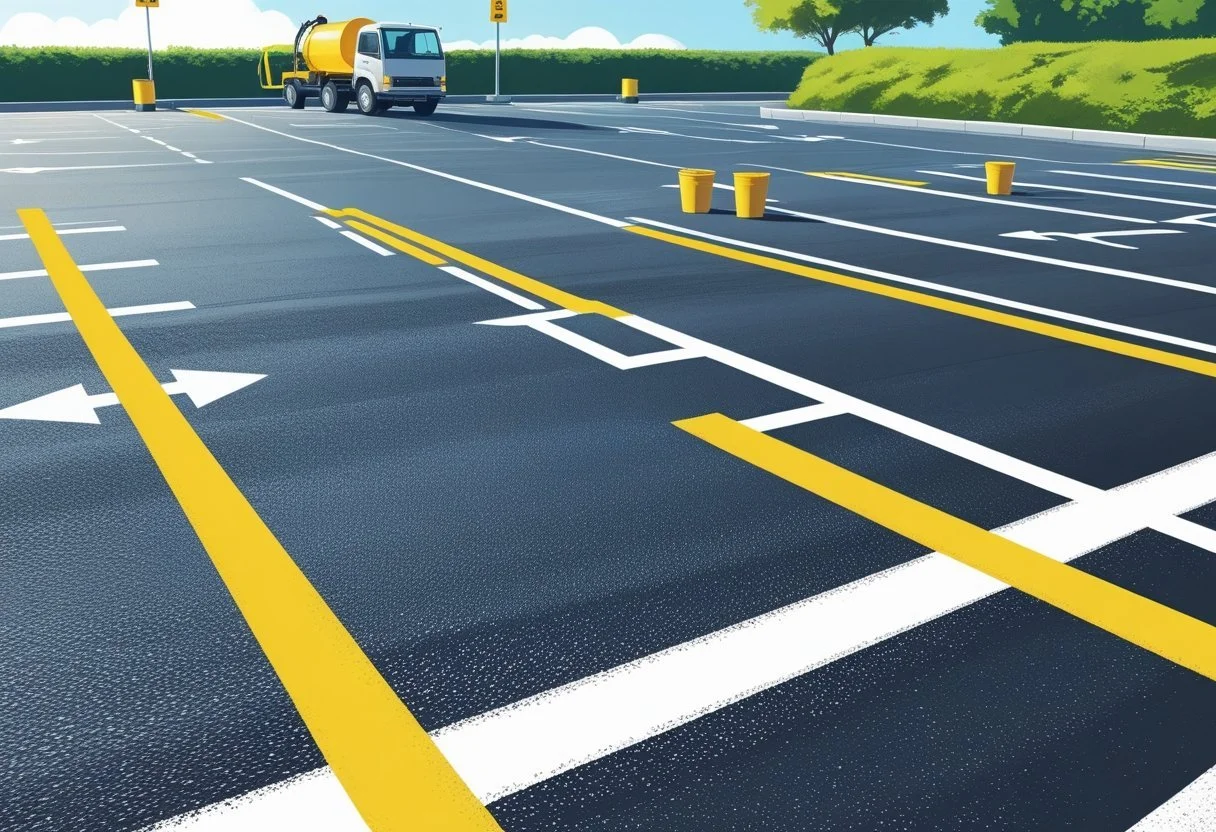
Blacktop sealcoating is an essential maintenance step if you want to protect and extend the life of your asphalt surfaces. It creates a protective barrier against moisture, UV rays, and daily wear, helping prevent cracks, potholes, and early deterioration. By applying sealcoating regularly, you can avoid costly repairs and maintain a clean, professional appearance.

When you choose sealcoating, you’re not just preserving the pavement—you’re enhancing safety and curb appeal. Whether it’s for a driveway, parking lot, or walkway, proper sealcoating keeps surfaces smooth and durable. If you manage properties in WACO, TEMPLE, BELTON, KILLEEN, or CENTRAL TEXAS, Trueline Striping can also ensure your parking lot markings remain clear and compliant alongside your pavement maintenance.

Maintaining your asphalt investment starts with expert care and quality materials. With Trueline Striping, you get both detailed striping services and guidance on keeping your pavement protected. This combined approach guarantees safety, longevity, and an attractive look for your property’s asphalt surfaces. For more information on the benefits and steps of blacktop sealcoating, keep reading.

What Are Blacktop Sealcoating Services?

Blacktop sealcoating services protect and extend the life of asphalt surfaces by applying a specialized protective layer. These services vary in scope and materials but share the common goal of preserving pavement integrity and appearance. Understanding what sealcoating involves helps you choose the right service for your property’s needs.

Definition of Sealcoating

Sealcoating is the application of a protective coating to asphalt surfaces like driveways, parking lots, and roads. This coating is usually a mixture of coal tar, asphalt, or acrylic-based emulsions. It forms a barrier that shields the blacktop from damage caused by weather, oils, UV rays, and chemicals.

The process prepares the surface by cleaning and repairing any cracks or potholes before coating. Sealcoating enhances the visual appeal by restoring a dark, uniform finish. For effective sealcoating, professionals like Trueline Striping use quality materials and techniques tailored to your location in Central Texas.

Purpose and Importance

Sealcoating serves multiple important functions. It protects asphalt from premature aging caused by sunlight and water infiltration, which lead to cracking and potholes. By repelling water, it stops moisture from weakening the base beneath the pavement.

Regular sealcoating reduces the need for costly repairs and maintains a smoother surface, improving safety for vehicles and pedestrians. It also enhances curb appeal, which is crucial for commercial properties. Investing in sealcoating preserves your pavement’s structural integrity and helps you avoid more expensive reconstruction sooner.

Types of Services Offered

Sealcoating services include several options depending on your property's size and condition. Common offerings are:

  • Residential driveway sealcoating: Focused on small-scale surfaces needing protection and rejuvenation.

  • Commercial parking lot sealcoating: Designed for large asphalt areas, often combined with striping services to ensure clear, durable markings.

  • Maintenance plans: Scheduled repeat sealcoating to extend pavement life over years.

  • Crack filling and surface repairs: Often included in sealcoating services to prepare the asphalt for the coating.

Trueline Striping can coordinate sealcoating with your parking lot striping needs, providing a comprehensive solution for both surface protection and clear, ADA-compliant markings in WACO, TEMPLE, BELTON, and KILLEEN.

For more detailed insights, you can explore expert advice on blacktop sealcoating and protection techniques.

Benefits of Blacktop Sealcoating

Applying a sealcoat to your asphalt creates a durable protective layer that guards against damage and deterioration. It also improves the look of your pavement, making it appear fresh and well-maintained. Additionally, sealcoating helps you save money by reducing repair needs and extending the life of your asphalt surface.

Protection Against Elements

Sealcoating shields your asphalt from harmful effects caused by the sun’s UV rays, which can dry out and weaken the pavement. It also creates a barrier against water, preventing moisture from seeping into cracks and causing potholes or erosion beneath the surface.

Exposure to road salts, oil spills, and everyday traffic wear can accelerate asphalt deterioration. Sealcoating reduces this damage by providing a tough, chemical-resistant layer that slows oxidation and reduces wear, keeping your pavement structurally sound longer.

Enhanced Curb Appeal

A freshly sealcoated blacktop surface looks smooth and deep black, instantly improving the overall appearance of your driveway, parking lot, or other asphalt areas. This clean, uniform finish enhances property value and leaves a positive impression on visitors and customers.

The improved visual contrast also helps with clear visibility of striping and markings, which supports better safety and organization. If you rely on services like those from Trueline Striping, maintaining the integrity of the asphalt enhances the lifespan of your striping work in WACO, TEMPLE, BELTON, and other parts of Central Texas.

Cost Savings and Longevity

Sealcoating acts as a preventive maintenance step that extends your pavement’s lifespan by up to 30%, deferring expensive repairs and premature replacement. By regularly protecting your asphalt surface, you reduce expenses related to crack filling, patching, or full resurfacing over time.

Investing in sealcoating is more economical than repairing damaged blacktop. You maximize your pavement’s durability while avoiding increased costs from water damage, oxidation, and wear. Choosing professional sealcoating can offer additional benefits through quality materials and proper application methods.

For businesses in Central Texas, combining sealcoating with expert striping from companies like Trueline Striping will keep parking lots safe, functional, and visually appealing for years to come.

Key Asphalt Maintenance Solutions

Effective asphalt maintenance relies on targeted repairs and consistent upkeep to protect your investment and extend pavement life. Properly addressing cracks, potholes, and scheduling regular maintenance prevents costly repairs and deterioration.

Crack Filling Essentials

Crack filling is vital in stopping water and debris from penetrating your asphalt surface. Small cracks, if left untreated, can let moisture seep in, causing the base to weaken and leading to larger cracks or potholes.

You should apply crack filling materials promptly to create a flexible seal that moves with the pavement while blocking damaging elements. Using the right filler—whether hot or cold applied—depends on crack size and environmental factors. Timely crack filling preserves your pavement’s integrity and reduces the need for more intensive repairs.

Addressing Potholes

Potholes form when water undermines the pavement base or due to repeated traffic stress. Ignoring potholes can accelerate surface breakdown and negatively impact safety. Immediate repair involves cleaning the hole, filling it with asphalt patch material, and compacting it properly for a smooth, long-lasting fix.

You want repairs to prevent further damage and maintain a safe, even surface. Professional pothole repair reduces hazards and helps avoid extended pavement deterioration, which could lead to costly full-depth repairs.

Routine Maintenance Programs

A routine maintenance program combines sealcoating, crack filling, and periodic inspections. Sealcoating acts as a protective barrier against UV rays, water, oil, and chemicals that degrade asphalt.

Regular maintenance schedules minimize the risks of cracking, potholes, and surface wear. Implementing this approach saves money by extending pavement life and improving appearance.

If you operate in Central Texas, including areas like Waco and Killeen, partnering with a local expert like Trueline Striping ensures you receive service tailored to your environment and traffic needs. Proper maintenance paired with quality striping enhances both function and curb appeal.

Sealcoating Application Process

Proper sealcoating protects your asphalt from wear caused by weather, traffic, and chemicals. The process involves detailed surface preparation, precise application techniques, and careful curing to ensure the coating adheres well and lasts.

Surface Preparation Steps

Before sealcoating, your asphalt surface must be clean and dry. Remove dirt, debris, oil spots, and any vegetation growing through cracks. This prevents trapped moisture and ensures better adhesion.

Repair all cracks and potholes with patching material suitable for asphalt. Small repairs can use cold patch, while larger ones may need hot asphalt. This creates a smooth, stable surface to sealcoat evenly.

Allow repairs to cure fully. Moisture or loose debris can cause bubbling or peeling later. Surface preparation is critical for making your sealcoat durable and effective.

Sealcoat Application Methods

Sealcoating is typically applied by spraying, brushing, or squeegeeing. Spraying is common for large areas, offering fast and uniform coverage. Brushing and squeegeeing work well for smaller spots or edges.

The sealcoat material is a blend of asphalt emulsions and additives that protect your pavement from UV rays, water, and chemicals. It fills minor surface voids and creates a protective, flexible layer.

Your applicator will follow manufacturer instructions regarding thickness and overlap to avoid pooling or thin spots. Trueline Striping uses quality sealcoating materials paired with professional techniques for the best results.

Curing and Drying Timeline

Sealcoat drying times depend on temperature, humidity, and product type. Usually, the surface becomes touch-dry within 2 to 4 hours. Avoid foot or vehicle traffic until at least 24 hours after application.

Complete curing can take 48 to 72 hours. During this time, keep the area clear to prevent damage or contamination. Proper curing ensures the sealcoat bonds firmly and extends your asphalt’s lifespan.

If you plan to restripe or apply any markings, wait until the sealcoat is fully cured for optimal adhesion and longevity. Trueline Striping can coordinate sealcoating with your striping schedule in Central Texas for seamless results.

Additional Blacktop Services

Maintaining a blacktop surface involves more than just sealcoating. Proper line striping, thorough driveway cleaning, and services tailored to commercial or residential needs all play a crucial role in extending pavement life, enhancing safety, and improving overall appearance.

Professional Line Striping

Clear and precise line striping is essential for safety and traffic organization. Whether you're managing a parking lot or athletic court, markings guide drivers and pedestrians effectively.

At Trueline Striping, you get expert line striping services in WACO, TEMPLE, BELTON, KILLEEN, and CENTRAL TEXAS. Services include new construction striping, restriping faded lines, ADA compliance markings, and athletic courts striping.

Benefits include:

  • Improved traffic flow

  • Enhanced vehicle and pedestrian safety

  • Compliance with ADA regulations

  • A clean, professional look for your property

Using durable paint and modern techniques ensures your markings last through weather and wear. Proper striping reduces accidents and liability risks.

Driveway Cleaning

A clean driveway is crucial before applying any sealcoating or line striping. Removing dirt, oil stains, and debris prevents premature pavement deterioration and improves sealant adhesion.

Effective driveway cleaning involves:

  • Pressure washing to lift contaminants

  • Application of degreasers on oil spots

  • Removal of loose gravel and debris

Regular cleaning extends the life of your blacktop by stopping water infiltration caused by cracks and gaps in dirty surfaces. A properly cleaned surface also provides a more consistent finish when sealcoating or striping is done.

Commercial and Residential Solutions

You need services tailored to the unique demands of your property, whether commercial or residential. Commercial parking lots require attention to high traffic volumes and clear navigation, while residential driveways demand careful maintenance to preserve curb appeal.

Key offerings include:

  • Customized sealcoating thickness based on traffic load

  • Durable line striping designed for commercial use

  • Crack repair and surface restoration to prevent costly damage

  • Residential sealcoating that enhances appearance and protects against environmental damage

Trueline Striping supports your commercial projects with reliable striping and marking services, making sure your business spaces are safe and compliant. For residential properties, careful sealcoating and cleaning keep your driveway looking its best while protecting the investment.

Combining sealcoating with these services ensures stronger, longer-lasting pavement suited to your specific environment.

Frequently Asked Questions

Understanding when and how often to sealcoat, the benefits involved, cost factors, and what to expect from the process helps you maintain your driveway effectively. You'll also learn how to choose reliable professionals and discover if eco-friendly sealcoating options fit your needs.

How often should residential driveways be sealcoated?

Residential driveways typically need sealcoating every 2 to 3 years. This interval depends on the amount of traffic, weather exposure, and the quality of previous sealcoating applications.

Regular maintenance prevents cracking and surface wear, extending the life of your driveway.

What are the benefits of sealcoating an asphalt driveway?

Sealcoating protects your asphalt from UV rays, water, oil spills, and chemicals. It helps prevent oxidation and cracking, preserving the driveway’s structural integrity.

It also enhances the appearance by restoring a fresh, black finish, increasing your property’s curb appeal.

What factors affect the cost of driveway sealcoating services?

Costs vary based on driveway size, condition, and preparation needed, such as cleaning or crack repairs. Geographic location and the type of sealer used also influence prices.

Complex jobs requiring multiple coats or special materials will cost more than standard applications.

How can I find reputable driveway sealcoating companies in my area?

Look for companies with strong customer reviews, proper licensing, and insurance. Ask about their experience with residential sealcoating and what materials they use.

Request detailed quotes and compare warranty offers before making a decision.

What should I expect during the sealcoating process for my driveway?

The process starts with thorough cleaning to remove dirt, loose debris, and oil stains. Any cracks or holes are repaired before applying the sealcoat.

After application, drying typically takes 24 to 48 hours, depending on weather conditions and product type.

Are there any environmentally friendly sealcoating options available?

Yes, some companies offer sealers with reduced VOCs (volatile organic compounds) and biodegradable ingredients. These products minimize environmental impact while still protecting your driveway.

If eco-friendliness matters to you, ask the provider about available green sealcoating alternatives.

For parking lot striping services in Central Texas, including ADA compliance and athletic courts, consider contacting Trueline Striping. They focus on quality and customer satisfaction across WACO, TEMPLE, BELTON, and KILLEEN.

Read More
Brandon Doyle Brandon Doyle

Parking Lot Marking Paint Best Practices for Durable and Clear Lines

Parking lot marking paint is a specialized material designed to create clear, durable lines and symbols on pavement surfaces.

Parking lot marking paint is specifically formulated to provide long-lasting, highly visible lines that improve safety and organization in parking areas. Choosing the right paint ensures your markings withstand heavy traffic, weather, and UV exposure, maintaining clear guidance for drivers and pedestrians alike. Using durable materials is key to avoiding frequent maintenance and costly repainting.

When you work with Trueline Striping, serving WACO, TEMPLE, BELTON, KILLEEN, and Central Texas, you get expert application tailored to your needs. Whether it’s new construction striping, restriping faded lines, or ensuring ADA compliance, the right paint combined with professional techniques makes your lot safer and more attractive. You can trust your parking spaces to stand out and perform well over time.

The importance of clean, precise parking lot markings extends beyond appearance. They support smooth traffic flow, reduce accidents, and create an accessible environment for all users. With Trueline, you benefit from a full-service approach, fast turnaround, and work scheduled to fit your business hours. Your parking lot will look fresh and function better, helping you make a strong, professional impression.

Understanding Parking Lot Marking Paint

Parking lot marking paint is a specialized material designed to create clear, durable lines and symbols on pavement surfaces. Its role extends beyond simple aesthetics, influencing traffic flow, safety, and accessibility. Knowing its purpose, composition, and proper application surfaces helps you make informed decisions for your parking lot’s maintenance and functionality.

Definition and Purpose

Parking lot marking paint is a type of traffic paint used to delineate parking spaces, traffic lanes, pedestrian crossings, and ADA-compliant areas. It guides drivers and pedestrians, reducing confusion and preventing accidents.

Its visibility is crucial in all weather and lighting conditions, requiring high reflectivity and resistance to fading. Proper paint helps you organize the lot effectively, optimizing space use and ensuring compliance with local regulations. Whether you need new lines or a restripe, your paint must maintain clarity over time despite constant wear and exposure.

Key Components and Properties

The base of parking lot paint typically consists of water-based acrylic or solvent-based formulas. Water-based acrylic paints are fast-drying, environmentally friendly, and offer high reflectivity. Solvent-based paints provide strong adhesion and durability under heavy vehicle traffic.

Important properties include abrasion resistance, weather resistance (against rain, sun, and temperature changes), and quick drying time. These features ensure markings last longer and remain visible, decreasing the need for frequent maintenance. Choosing the right paint means balancing cost, durability, and safety, which Trueline Striping specializes in for Central Texas locations.

PropertyImportanceTypical BenefitReflectivityEnhances nighttime visibilitySafer driving conditionsAbrasion resistanceWithstands heavy vehicle trafficLonger-lasting markingsWeather resistanceResists fading and peelingMaintains clarity year-roundDrying timeMinimizes downtime during paintingQuick project completion

Types of Surfaces for Application

Parking lot paint is formulated to adhere primarily to asphalt and concrete, the most common pavement surfaces. Asphalt requires paints with excellent flexibility and adhesion properties due to its porous and slightly textured nature.

Concrete surfaces demand paints that can penetrate or tightly bind to a harder, smoother surface. In some cases, primers or surface preparation may be necessary to ensure optimal adhesion and longevity. Before application, your lot surface must be clean and dry to prevent peeling or bubbling of the paint base.

Trueline Striping provides tailored solutions for both new construction striping and restriping projects in WACO, TEMPLE, BELTON, KILLEEN, and surrounding Central Texas areas, helping you maintain sharp, durable marks that withstand daily use.

Types of Parking Lot Marking Paint

Choosing the right paint for your parking lot directly affects durability, visibility, and maintenance needs. Different parking lot paints vary in drying time, resistance to weather and traffic, and ease of application. Understanding these differences helps you select a solution that meets your specific requirements for safety and appearance.

Water-Based Acrylic Paint

Water-based acrylic paint is widely used for parking lot striping due to its quick drying time and vibrant reflectivity. It is environmentally friendly and low in volatile organic compounds, making it a preferred choice for many commercial properties.

This type of paint adheres well to asphalt and concrete, offering good durability under moderate traffic conditions. Its fast curing allows you to minimize downtime, a key factor for businesses needing efficient service. However, it may require more frequent touch-ups in high-traffic or harsh weather environments.

Water-based acrylic is also user-friendly, suitable for both DIY projects and professional applications. At Trueline Striping, we often recommend it for restriping jobs in WACO and Central Texas because it balances cost and performance effectively.

Solvent-Based Paint

Solvent-based paint, sometimes called oil-based paint, provides enhanced adhesion and longer-lasting markings compared to water-based options. It is particularly effective in high-traffic parking lots or locations exposed to intense weather variations.

This paint type resists fading and wears better under abrasion, making it ideal when you need robust, clearly visible traffic paint. Drying time is slower than acrylic, which can extend your project schedule but results in tougher, more resilient lines.

Due to environmental regulations, solvent-based paints contain higher levels of VOCs and are less common than before. Still, if you want markings that endure heavy use and weather stress without frequent repainting, solvent-based paint remains a strong candidate.

Thermoplastic and Specialty Paints

Thermoplastic paint is a premium option offering exceptional durability and visibility. It involves heating the material before application, which melts it onto the pavement, forming a thick, tough marking that can last up to 10 years under typical conditions.

This paint type is highly resistant to wear from vehicle traffic, chemicals, and UV exposure. It often includes reflective glass beads to improve night-time visibility and meets ADA compliance standards easily, making it a smart choice for permanent or heavily used parking lots.

Specialty paints, including epoxy and polyurethane, provide specific benefits like quick curing and chemical resistance. These options are less common but well-suited for athletic courts or areas requiring extra durability. For comprehensive striping solutions in KILLEEN and TEMPLE, Trueline Striping offers expertise applying these advanced materials when your project demands the highest level of performance.

Application Techniques and Equipment

The effectiveness of parking lot striping depends on precise application and the right tools. Proper surface preparation, consistent paint coverage, and the correct equipment ensure durability and visibility under heavy traffic and weather conditions.

Manual Application Methods

Manual methods use brushes, rollers, or handheld applicators to apply striping paint. This approach works best for small areas, touch-ups, or tight spaces where machinery can’t access easily.

Brushes provide control but are labor-intensive and less consistent. Rollers cover larger surfaces faster but require steady technique to avoid uneven lines. Handheld striping guns offer moderate precision and speed but rely heavily on operator skill.

Manual application requires thorough cleaning of surfaces before painting. Dirt and debris reduce adhesion and durability. Since manual tools apply thinner layers, frequent maintenance may be necessary to keep lines visible.

Striping Machines and Tools

For larger lots, professional striping machines deliver faster, uniform lines. These include walk-behind or ride-on units that use high-volume spray nozzles to apply paint evenly.

Key features of striping machines include adjustable line widths, spray pressure control, and efficient paint transfer systems. They minimize waste and improve speed compared to manual methods.

Many professionals use thermoplastic or waterborne paints, which work well with machines. Proper calibration ensures crisp, durable markings essential for safety and navigation.

At Trueline Striping, we rely on high-quality striping equipment to provide consistent results across WACO, TEMPLE, BELTON, KILLEEN, and Central Texas.

Line Widths and Patterns

Standard parking stall lines are usually between 4 to 6 inches wide, balancing visibility and space efficiency. Wider lines can improve visibility but may reduce parking capacity.

Patterns such as solid lines define individual spaces, while dashed lines guide traffic flow. ADA compliance requires specific markings like blue handicap spaces and access aisles with defined crosshatching.

Athletic courts have their own dimension standards, requiring precision in line spacing and color contrast to meet regulation play areas. Accurate measurements before applying paint keep markings uniform and code-compliant.

Best Practices for Parking Lot Striping

Achieving clear, long-lasting parking lot markings depends on proper surface care, understanding environmental impacts, and regular upkeep. Consistent attention to these details ensures visibility, safety, and compliance with regulations.

Surface Preparation and Cleaning

Before applying parking lot paint, the surface must be clean and dry. Remove dirt, oil, debris, and any old, peeling paint. These contaminants prevent proper adhesion and reduce the lifespan of your striping.

Check the base for cracks or damage. Repairing the pavement ensures a smooth surface that holds paint better. Proper preparation avoids premature flaking or fading.

Use power washing or sweeping to clean the area. Avoid painting on wet surfaces since moisture weakens the bond between paint and pavement. Ensuring your base is dry and stable is key to durable striping.

Weather and Environmental Considerations

Temperature and humidity directly affect the drying and adhesion of parking lot striping paint. Ideal conditions are dry weather with temperatures between 50°F and 90°F.

Heat and sun exposure can cause paint to fade more quickly. Moisture and freeze-thaw cycles weaken the paint’s bond with the pavement. Plan painting during stable weather periods to maximize durability.

Avoid striping when rain or dew is expected within 24 hours. This prevents smear and premature wear. Selecting paints designed for your region's climate also improves longevity.

Durability and Maintenance Tips

Use high-quality, water-based acrylic paints for long-lasting, reflective lines. These paints dry quickly and resist fading, enhancing visibility day and night.

Regular inspection helps identify areas where paint has worn or peeled. Schedule restriping every 1-3 years, depending on traffic volume.

Apply sealers when needed to protect both the base and paint. Timely repairs of surface damage also prevent paint failure. For expert application and ongoing upkeep in Central Texas, Trueline Striping offers reliable services to keep your lot clear and compliant.

Regulations and Marking Standards

Parking lot markings must follow specific rules to ensure safety, accessibility, and clear traffic flow. These guidelines cover the use of colors, layout for pedestrian zones like crosswalks, and legal compliance requirements. Proper adherence avoids penalties and contributes to an organized parking experience for all users.

Line Colors and Meanings

Different line colors are standardized for clear communication in parking lots. White lines are typically used to designate standard parking spaces and traffic lanes. Yellow lines indicate no-parking zones, fire lanes, and separation between opposing traffic flows.

Blue paint is reserved exclusively for ADA-accessible parking spaces and related curb markings. This color coding must comply with federal standards to avoid legal issues and ensure injured or disabled visitors have clear access routes.

Using consistent color schemes prevents confusion, directs traffic safely, and helps manage space effectively. Trueline Striping applies these standards meticulously in WACO, TEMPLE, BELTON, KILLEEN, and throughout Central Texas to ensure your parking lot meets regional and national guidelines.

Crosswalks and Accessibility Markings

Crosswalks in parking lots help protect pedestrians by clearly marking safe walkways. These are usually painted in white zebra stripes or solid white lines to distinguish them from vehicle lanes. Proper crosswalk placement near entrances and exits enhances visibility and guides foot traffic.

Accessibility markings include designated parking spaces that support ADA compliance. These spots feature blue lines, the wheelchair symbol, and access aisles painted with diagonal stripes to ensure accessibility is maintained. Compliance requires precise dimensions and positioning.

Maintaining clear, durable paint for crosswalks and accessibility zones is critical. Faded or poorly marked zones reduce effectiveness and may lead to violations. For dependable upkeep and correct layout, rely on expert services familiar with regional mandates.

Legal Requirements and Compliance

Your parking lot must comply with federal, state, and local laws, including the Americans with Disabilities Act (ADA). These regulations specify dimensions for parking spaces, aisle widths, and the number of accessible spots based on lot size. Failure to comply can lead to fines and legal liability.

Fire lane markings must remain clear and use specific standards such as yellow paint and "FIRE LANE – NO PARKING" text where required. Traffic paint used must be durable and visible under different weather conditions to meet safety and inspection criteria.

Trueline Striping offers comprehensive services ensuring your lot aligns with all legal requirements, whether new construction striping, restriping, or ADA compliance, providing peace of mind through expert execution in Central Texas.

Frequently Asked Questions

Choosing the right paint, color, and application method affects the durability and visibility of your parking lot markings. Costs vary based on materials, labor, and specific project requirements. Regular maintenance ensures your lines remain clear and meet safety standards.

What type of paint is most durable for parking lot striping?

Thermoplastic paint offers the highest durability and longevity for parking lot striping. It withstands heavy traffic and harsh weather better than latex or waterborne paints. Epoxy and solvent-based paints are also durable options but can be more costly.

How do I choose the right color for parking lot markings?

White and yellow are the most common colors for parking lots. White typically marks parking spaces and crosswalks, while yellow is used for traffic lanes and no-parking zones. ADA-compliant blue and red can denote accessible parking and fire lanes.

What are the differences between waterborne and solvent-based traffic paints?

Waterborne paints dry faster and have lower VOC emissions, making them more environmentally friendly. Solvent-based paints provide better adhesion and durability in areas with heavy traffic or extreme weather but require longer curing times.

How is traffic paint application different from regular paint?

Traffic paint is thicker and designed for rough surfaces like asphalt and concrete. It usually contains reflective beads for visibility and requires specialized equipment to apply evenly and at the correct thickness. Proper surface preparation is essential to ensure adhesion.

What factors should be considered when determining the cost of parking lot striping?

Costs depend on the type and quantity of paint, parking lot size, the complexity of the layout, and labor costs. Additional expenses may include surface cleaning, repairs, and compliance with ADA regulations. Using professional services like Trueline Striping ensures quality results within budget.

How often should parking lot markings be repainted to maintain visibility?

Most parking lot markings need repainting every 12 to 24 months, depending on traffic volume and weather exposure. High-traffic areas may require more frequent maintenance to keep lines sharp and visible. Regular inspections help identify when restriping is necessary.

Read More
Brandon Doyle Brandon Doyle

Parking Lot Sealing Benefits and Best Practices for Longevity

Maintaining your asphalt parking lot requires protective measures to guard against damage from weather, chemicals, and daily wear.

Parking lot sealing is a vital maintenance step that protects your asphalt surface from damage caused by water, sun, and chemicals. Sealing your parking lot creates a protective barrier that extends its lifespan, reduces repair costs, and keeps it looking clean and professional. This preventive measure is crucial whether your lot is newly constructed or has seen years of wear.

When you prioritize sealing, you preserve both the structure and appearance of your parking lot, making it safer and more inviting for customers and employees. For businesses in Waco, Temple, Belton, Killeen, and Central Texas, partnering with a trusted provider like Trueline Striping ensures you receive quality work tailored to your needs.

Your parking lot’s condition reflects your business, so maintaining clear, durable markings along with a well-sealed surface supports efficient traffic flow and compliance. Combining sealcoating with professional striping services from Trueline helps you protect your investment and maintain a polished look from day one.

Understanding Parking Lot Sealing

Maintaining your asphalt parking lot requires protective measures to guard against damage from weather, chemicals, and daily wear. Proper sealcoating extends pavement life, maintains appearance, and helps avoid costly repairs. Understanding how sealcoating works and when to apply it ensures your lot stays durable and functional.

What Is Parking Lot Sealing

Parking lot sealing, or sealcoating, involves applying a protective liquid layer over asphalt pavement. This layer creates a barrier against UV rays, water, oil, and other substances that accelerate asphalt deterioration.

Sealcoat restores the surface's flexibility and prevents cracking caused by temperature changes. It also enhances the asphalt's black color, improving the lot’s visual appeal and curb appeal.

The process generally takes a few hours and requires clean, dry pavement as a base. Regular sealcoating can extend your asphalt parking lot's lifespan by up to 30%, reducing maintenance costs. For detailed guidance on application, see this essential parking lot sealing guide.

Purpose of Sealcoating

Sealcoating protects the asphalt surface from environmental and chemical damage. Without it, water can penetrate cracks causing potholes, and UV rays from the sun can dry out and weaken the pavement.

It also safeguards against oil and gasoline spills that degrade asphalt binder material. A properly sealed lot provides a smooth driving surface, reducing wear on vehicles and lowering accident risks.

Additionally, sealcoating improves the aesthetics of your parking lot, making it look well-maintained and inviting to customers and employees. Keeping your lot sealed can save you money long-term by postponing costly repairs or full resurfacing. Learn more about the benefits of sealcoating at this parking lot sealcoating resource.

Sealcoating vs. Resealing

Sealcoating and resealing may sound similar but serve different needs. Sealcoating is the initial application or the routine protective layer applied every few years to maintain asphalt integrity.

Resealing typically refers to reapplying sealcoat after it has worn off or deteriorated. Maintaining a regular sealcoating schedule prevents the need for premature resealing or major repairs.

Resurfacing, meanwhile, is a more extensive fix that involves adding a new asphalt layer over damaged pavement and is used when the underlying surface has significant wear or cracking.

Choosing sealcoating over resurfacing is generally more cost-effective and preserves the existing asphalt. For advice about maintenance schedules and when resealing is necessary, consult this parking lot sealing guide.

If you manage a parking lot in Central Texas, services like those offered by Trueline Striping include not only quality striping but can also coordinate maintenance recommendations for sealcoating and surface care to keep your lot safe and attractive.

Benefits of Sealcoating a Parking Lot

Sealcoating protects your asphalt surface from damage and wear, enhances appearance, and helps maintain safety. It reduces the risk of costly repairs by addressing minor issues early and supports long-term durability.

Protection Against Elements

Sealcoating acts as a barrier that shields your pavement from harmful environmental factors. UV rays break down the asphalt binder, causing it to dry out and become brittle. Sealcoating prevents this degradation by blocking UV exposure.

It also protects against chemical spills like oil and gasoline. These substances can penetrate the asphalt and weaken the surface, leading to cracks and potholes. Applying a quality sealcoat prevents chemicals from seeping in and causing damage.

Water intrusion worsens existing cracks and accelerates pavement deterioration. Sealcoating fills small cracks and creates a waterproof layer that slows down water absorption. This helps avoid potholes forming due to freeze-thaw cycles or erosion.

Prolonged Asphalt Lifespan

Regular sealcoating delays the aging process of your asphalt by reinforcing its surface. It bridges minor cracks and prevents them from expanding, which reduces the creation of larger structural problems.

By keeping the surface intact, sealcoating minimizes maintenance needs and extends the time between costly resurfacing or full replacements. In some cases, it can increase your pavement’s life by up to 30%.

This preservation benefits your business by avoiding frequent closures and maintaining a safe environment for visitors. Trueline Striping in Central Texas emphasizes how proactive maintenance, including sealcoating and striping, supports long-lasting parking lots.

Improved Curb Appeal

A fresh sealcoat gives your parking lot a uniform, darker black finish that boosts your property’s appearance. It covers discolorations, faded areas, and minor surface imperfections caused by weather and traffic.

This enhanced look creates a positive first impression for customers and tenants. Combined with clear, crisp striping from Trueline in Waco and surrounding areas, it signals well-maintained facilities.

Attractive parking lots also encourage better use of spaces and help avoid confusion, making your property more welcoming. Professional sealcoating pairs especially well with quality line striping to maximize visual appeal.

Cost-Effective Maintenance

Sealcoating is an economical preventive measure compared to repairing potholes or repaving damaged asphalt. It addresses early-stage surface wear that would otherwise escalate into costly repairs.

By sealing cracks, it prevents water damage and the spread of deterioration. This reduces emergency patching and increases the intervals between needed repairs.

Investing in sealcoating saves you money over time by protecting your pavement asset and reducing downtime. This proactive approach aligns with efficient maintenance strategies that extend your parking lot’s functional life without excessive expense.

For businesses in Temple, Belton, Killeen, and beyond, combining sealcoating with professional striping services ensures both durability and safety.

Materials and Sealcoating Types

Selecting the right sealcoat material is critical to protecting your parking lot from damage caused by weather, traffic, and chemicals. Different sealcoating products offer varying levels of durability, cost, and environmental impact. Understanding these options will help you choose the best solution for your pavement’s needs.

Overview of Sealcoat Materials

Sealcoat products generally fall into two main categories: asphalt emulsions and coal tar sealers. Asphalt emulsion is a mixture of asphalt particles suspended in water, which makes it easier to apply and more environmentally friendly. Coal tar sealers are made from a byproduct of coal processing and are known for their strong resistance to oil, gasoline, and chemicals.

Both materials form a protective layer that shields the pavement from UV rays and water infiltration. However, the choice depends on your specific requirements such as cost, location, and expected exposure conditions.

Asphalt Emulsion vs. Coal Tar Sealers

Asphalt emulsion sealcoats are widely recommended for commercial properties because they offer a balanced combination of affordability and environmental safety. They are less odorous and comply better with environmental standards. Asphalt emulsions also provide good waterproofing but may be less resistant to oil spills than coal tar.

Coal tar sealers excel in durability, especially where exposure to oils and chemicals is frequent. Their performance helps prevent asphalt breakdown and extends pavement life. Despite this, coal tar sealers tend to have a stronger smell during application and may face restrictions in some areas due to potential environmental concerns.

FeatureAsphalt EmulsionCoal Tar SealerCostMore affordableGenerally higherEnvironmental ImpactMore eco-friendlyPotentially more hazardousChemical ResistanceModerateHighOdor During ApplicationLowStrongTypical UseCommercial lots, generalIndustrial or high-exposure

Choosing the Right Sealcoat

When deciding on sealcoating materials, consider the type of traffic and environmental exposure your parking lot faces. If your lot frequently handles fuel or oil spills, a coal tar sealer may provide longer-lasting protection. For general use areas with moderate traffic, asphalt emulsion offers a cost-effective and eco-friendly option.

Preparation and proper sealcoat application are equally important in ensuring the material performs well over time. Applying multiple coats with adequate drying time significantly improves durability.

For your parking lot striping and maintenance needs across Central Texas, including Waco and Killeen, Trueline Striping can help ensure your paved surfaces are properly protected and clearly marked to maximize safety and longevity.

Parking Lot Sealing Process

Proper sealcoating extends asphalt life and improves appearance. The process involves cleaning, repairing damage, carefully applying sealant, and allowing proper curing to protect your pavement from water, oils, and UV damage. Each step ensures durability and a smooth finish ready for pavement markings.

Surface Preparation

Before applying sealcoat, your parking lot needs thorough surface cleaning. Remove dirt, debris, oil stains, and loose asphalt using power sweeping and, if necessary, power washing. Clean surfaces ensure proper sealant adhesion.

Next, allow the asphalt to dry completely, as moisture can prevent the sealcoat from bonding correctly. Protect any areas not meant to be sealed, such as concrete curbs or nearby landscaping.

Proper surface preparation also includes removing any previously failed sealcoat or peeling layers. This prevents flaking and ensures a smooth and uniform application.

Crack and Pothole Repair

Your asphalt should be free of significant damage before sealcoating. Cracks allow water penetration, accelerating deterioration. Fill cracks with a flexible crack filler designed for asphalt, ensuring full coverage and a level surface.

Potholes require patching with hot or cold asphalt mix, depending on weather and project timing. Make sure repairs are compacted and smooth to avoid trapping air or water under the sealcoat.

Addressing these repairs beforehand promotes a long-lasting sealcoat and prevents further pavement damage that can lead to costly repaving.

Sealcoat Application Steps

Apply the sealcoat in thin, even layers using a squeegee or spray machine for large lots. Avoid uneven buildup, which can lead to peeling or surface irregularities. The best times for application are during mild, dry weather with temperatures between 50°F and 85°F.

Multiple coats may be necessary for high-traffic areas. Let each coat dry according to product instructions before applying the next.

Keep traffic off the surface during application and drying. This ensures the sealcoat cures properly and avoids tire marks or damage.

Curing and Final Touches

Sealcoat curing typically takes 24 to 48 hours, depending on temperature and humidity. During this phase, keep vehicles and foot traffic off the surface to avoid damage.

After curing, you can repaint pavement markings for parking spaces, driving lanes, and ADA areas. Clear, durable markings from a company like Trueline Striping enhance safety and traffic flow in your parking lot.

Regular inspections and timely maintenance after sealing help you protect your investment and maintain a professional appearance.

Hiring Sealcoating Contractors

Selecting the right contractor for parking lot sealcoating involves assessing expertise, service quality, and communication. Understanding the key traits of a reliable contractor helps ensure your pavement is protected and looks professional.

What to Look For in a Contractor

Look for a license and insurance to avoid liability for accidents or damage during the project. Longevity in the business often indicates reliable workmanship and satisfied clients.

Check that the contractor uses high-quality sealcoating materials designed to resist UV damage and water penetration, which extend the life of your pavement. Experience with jobs similar to yours—commercial parking lots, for example—is essential for effective service.

Reviews and references reveal the contractor's reliability and adherence to schedules. Using a contractor like Trueline Striping can offer confidence since their focus on quality and customer care is proven in Central Texas markets such as Waco and Temple.

Evaluating Sealcoating Services

Ensure the services offered match your needs. A good sealcoating project includes thorough surface preparation, crack filling, and proper sealcoat application in optimal weather conditions.

Review the contractor’s process for debris removal and surface drying, as these steps affect sealcoat adhesion. Ask if they provide warranties or guarantees for their sealcoating services.

Consider contractors who also provide related services like striping and ADA compliance, which can be coordinated for better overall parking lot maintenance. For example, Trueline Striping offers integrated striping in key Texas locations to maximize lot appearance and safety.

Questions to Ask Before Hiring

Before hiring, ask about the sealcoat product type and its expected lifespan. Inquire about the specific equipment and application methods they use.

Clarify project scheduling, including how long the process takes and any recommended closures for traffic during and after sealcoating. Ask how they handle unexpected issues like weather delays.

Request a detailed written estimate covering costs and scope, and check if clean-up is part of the service. Finally, verify their approach to ADA compliance and striping if you need those services, ensuring your lot meets all regulations and looks professional.

More detailed hiring support is available in this sealcoating contractor hiring checklist.

Maintenance and Care After Sealing

Proper upkeep after sealing your asphalt parking lot is essential to protect the new surface and extend its lifespan. Regular attention to potential issues, cleaning methods, and quick action on chemical spills will keep your asphalt surface in good condition and prevent premature damage.

Routine Inspections

You should conduct frequent inspections of your asphalt parking lot to spot early signs of wear or damage. Focus on identifying cracks forming on the surface, as these can let water penetrate and cause further deterioration.

Look for alligator cracking, edge breaks, or depressions, which indicate structural issues. Catching these problems early allows for timely repairs, preventing more costly fixes later.

Document your findings during each inspection and schedule repairs based on severity. This proactive approach preserves the integrity of the sealcoat and asphalt, helping you avoid deeper pavement problems.

Cleaning and Upkeep

Keeping your parking lot clean directly protects your sealcoating investment. Remove debris, dirt, and leaves regularly using light sweeping or low-pressure washing to avoid damage.

Avoid harsh chemical cleaners or petroleum-based products that can break down the sealant. Instead, opt for mild detergents designed for asphalt surfaces if needed.

Prevent water pooling by clearing drains and maintaining proper surface drainage to stop damage from moisture infiltration beneath the sealcoat. Consistent cleaning helps maintain the asphalt’s appearance and performance.

Handling Chemical Spills

Chemical spills, especially oils and fuels, can severely degrade a freshly sealed asphalt surface. When spills occur, act quickly to contain and clean them.

Use absorbent materials like cat litter or commercial absorbents to soak up the spill immediately. Avoid scrubbing too hard, which can damage the sealcoat.

For stubborn stains, apply a cleaner formulated for asphalt surfaces, then rinse thoroughly with water. Regular monitoring and fast cleanup preserve your parking lot’s structural integrity and appearance, minimizing costly resealing needs.

For expert striping or maintenance services after sealcoating, Trueline Striping offers professional solutions in WACO, TEMPLE, BELTON, KILLEEN, and CENTRAL TEXAS. Their team helps keep your parking lot looking well-marked and maintained.

Learn more about proper parking lot care at resources like 5 Things You Should Do After Sealcoating Your Parking Lot.

Frequently Asked Questions

Sealing a parking lot involves multiple considerations, including cost factors, proper timing for resealing, and the right equipment. Understanding the correct materials and steps ensures your pavement stays protected and visually appealing for years.

What factors affect the cost of sealing a parking lot?

Costs vary based on the size and condition of your parking lot. Additional factors include the type of sealer used, surface preparation needs, and the complexity of any striping or repairs required before sealing.

Weather conditions and accessibility also influence pricing, as delays or difficult-to-reach areas can increase labor time and costs.

How often should a parking lot be resealed to maintain its condition?

Typically, you should reseal your parking lot every two to three years. High-traffic areas may require more frequent sealing to maintain protection against wear, UV damage, and chemical spills.

Regular maintenance helps extend pavement life and reduces the need for costly repairs.

What type of equipment is required for professional parking lot sealing?

Professional sealing uses specialized equipment like power washers for cleaning, sealcoat spray systems or squeegee machines for even application, and striping machines if restriping is needed.

Proper equipment ensures an even, durable coat that protects the asphalt surface effectively.

What are the steps involved in sealing and striping a parking lot?

The process starts with cleaning the surface—including crack and pothole repair—followed by applying the sealcoat evenly. After the sealant dries, restriping your lot provides clear, durable markings for safety and organization.

Timing and weather conditions play a critical role in ensuring proper adhesion and drying of both sealcoat and paint.

Where can I find quality sealcoating supplies for a parking lot maintenance project?

Quality supplies are available through specialized distributors that offer asphalt sealers formulated for durability against UV rays, water, oil, and chemicals.

Choosing reputable materials reduces premature wear and enhances your lot's appearance. For expert guidance, consider services from companies like Trueline Striping, which also provide striping and ADA compliance across Central Texas.

How do I choose the right asphalt sealer for my parking lot?

Select a sealer based on your lot's exposure conditions, such as climate and traffic volume. Common types include coal tar and asphalt emulsion sealers, each with different resistance properties.

Consulting with professionals can help you pick a sealer that balances protection, aesthetics, and budget for your specific needs.

Read More
Brandon Doyle Brandon Doyle

Parking Lot Barrier Installation Best Practices for Enhanced Security and Efficiency

Choosing the right parking lot barrier affects security, traffic flow, and access control

Installing a parking lot barrier is an effective way to control access, enhance security, and maintain order in your parking area. A properly installed barrier helps manage vehicle flow, reduces unauthorized entry, and protects your property from damage or misuse. Whether you are securing a private lot or managing busy commercial spaces, a parking barrier provides a reliable physical deterrent that supports safety and efficiency.

The installation process involves careful planning, including choosing the right type of barrier for your needs and preparing the site for a secure fit. Factors such as budget, maintenance, and integration with existing parking management systems all play a role. If you want your parking area to function smoothly and safely, investing in a well-planned barrier installation is key.

At Trueline Striping, serving Waco, Temple, Belton, Killeen, and Central Texas, we know how important clear markings and organized layouts are to complement your parking barriers. Creating a well-marked lot combined with secure barriers ensures your parking space is both accessible and protected.

Types of Parking Lot Barriers

Choosing the right parking lot barrier affects security, traffic flow, and access control. Various types are available depending on your lot’s size, purpose, and level of security needed. Understanding features like automation, durability, and installation requirements helps you select the best fit.

Barrier Gates and Barrier Arms

Barrier gates use horizontal arms that rise and lower to control vehicle entry. They are common in commercial lots and gated communities due to easy automation and reliable access control.

Barrier arms come in manual or automatic versions. Automatic arms integrate with card readers, ticket dispensers, or remote controls. They allow fast vehicle flow while preventing unauthorized entry.

These gates require sturdy mounting posts and proper sensors to detect vehicles. Materials like aluminum or steel ensure durability. Maintenance involves regular inspection of moving parts and the arm mechanism for smooth operation.

Depending on traffic volume, you can select boom barriers with different arm lengths and motor speeds. This flexibility makes them suitable for various lot sizes.

Sliding Gates

Sliding gates consist of panels that move horizontally along tracks to open or close an entry point. They are ideal when vertical clearance is limited or for securing larger entrances.

Compared to swinging gates, sliding gates save space and handle heavier traffic in commercial or industrial lots. Their motors can be hydraulic or electric, designed for frequent use.

The installation requires a level track and space alongside the entrance for gate storage when open. Materials typically include galvanized steel for strength and weather resistance.

Sliding gates often integrate with access control systems, enhancing security by limiting entry to authorized vehicles only. They also provide a physical barrier that is harder to bypass compared to barrier arms.

Bollards and Turnstiles

Bollards are short, robust posts embedded into the pavement to restrict vehicle access while allowing pedestrian flow. They serve as permanent barriers to protect walkways or critical infrastructure inside parking lots.

There are fixed bollards for constant protection and removable or retractable types for flexible access control. Materials range from concrete to steel, often coated to prevent corrosion.

Turnstiles control pedestrian access rather than vehicles. They are commonly installed at lot entrances, garages, or secure zones where foot traffic needs regulation.

Both bollards and turnstiles enhance safety by clearly delineating vehicle versus pedestrian areas, reducing accidents and unauthorized access. When combined with markings from Trueline Striping, you ensure a clearly organized, secure parking environment.

More detailed information on these barrier types can be found in the complete parking lot barrier guide.

Planning for Parking Lot Barrier Installation

Careful preparation is essential to ensure your parking lot barrier functions efficiently and safely. You need to evaluate the physical site, control vehicle flow with clear access points, and comply with local safety requirements.

Site Assessment and Design

Begin by surveying the lot to identify optimal barrier locations. Consider vehicle entry and exit points, pedestrian pathways, and proximity to buildings or landscaping.

Ground conditions matter. The foundation for the barrier must be stable and able to support the installation hardware. If the surface is uneven or soft, it may require additional reinforcement.

Design the layout to minimize congestion and confusion. Use clear markings to guide drivers toward the barrier and available spaces. For best results, incorporate durable striping that remains visible in all weather.

A thorough site assessment helps prevent costly adjustments later. This phase sets the groundwork for safe, effective traffic and access control.

Access and Traffic Control Considerations

Your barrier system should manage vehicle flow easily and securely. Decide whether the barrier will operate manually or automatically, based on traffic volume and security needs.

Place signage and lighting to improve visibility, especially during low light. Consider sensors or cameras to enhance control and monitor entry effectively.

Plan the barrier’s impact on emergency access routes; they must remain unobstructed. Provide alternative exits or quick-release mechanisms where necessary.

To maximize efficiency, coordinate barrier placement with pavement markings. A company like Trueline Striping, serving Central Texas, can help create clear lane divisions and designated stop points that support the barrier system.

Compliance and Safety Regulations

Parking lot barriers must meet local codes and accessibility standards, including ADA compliance. Check regulations governing barrier height, placement, and required signage.

Install safety features such as warning lights, reflective tape, and audible alarms to alert users of barrier movement. These reduce accident risks for pedestrians and vehicles alike.

Ensure barrier materials and installation methods align with fire codes and emergency responder access requirements.

Regular inspections and maintenance plans help your barrier stay compliant while operating reliably. Partnering with professionals who understand local rules will simplify this process.

For assistance with the marking and compliance aspects of your lot, consider expert striping from Trueline Striping, experienced in WACO, TEMPLE, BELTON, KILLEEN, and throughout Central Texas.

Step-by-Step Barrier Installation Process

Installing a parking lot barrier requires careful attention to foundation preparation, equipment setup, and system integration. Ensuring the proper alignment of the barrier arm and reliable control mechanisms is critical to secure vehicle access and maintain smooth traffic flow.

Location Preparation and Foundation

Start by selecting the exact location where the barrier gate will be installed. The surface should be level, solid, and free of debris. For optimal stability, prepare a concrete foundation that matches the barrier base dimensions.

Typically, a reinforced concrete pad of at least 12 inches thick is poured. Allow the concrete to cure fully, usually 48 to 72 hours, before mounting any equipment. Mark drill points on the foundation corresponding to the barrier base holes for anchor bolts.

Good drainage around the foundation prevents water damage. You’ll also want clear space for the barrier arm to swing or lift without obstruction.

Barrier Equipment Setup

Once the foundation is ready, position the barrier cabinet or housing securely on the base. Use heavy-duty anchor bolts to fix the barrier in place, ensuring tight, vibration-free installation.

Attach the barrier arm following manufacturer guidelines. Align the arm horizontally at the correct height, typically between 30 to 36 inches from the pavement for effective vehicle clearance.

Install any counterweights or springs as needed to balance the arm, reducing motor strain. When using manual barrier arms, test smooth movement manually before proceeding.

Organize all wiring access points, and secure cables to prevent wear. Properly sealing the cabinet protects mechanical and electrical components from weather and dust.

Power and Control System Integration

Connect the barrier gate to a reliable power source that complies with local electrical codes. Most systems use 110-240V AC with appropriate grounding.

Integrate control systems including remote controls, loop detectors, keypads, or card readers according to your access management plan. These are usually wired into the barrier’s control board or communicated wirelessly.

Use conduit to protect wiring from damage, especially in outdoor environments. Label connections clearly to facilitate troubleshooting.

Program system parameters such as open/close speeds, auto-close delay, and safety sensors to match your parking lot’s operational needs.

Testing and Commissioning

Begin testing by cycling the barrier arm through several open and close operations. Confirm smooth movement without unusual noises or vibrations.

Test all control inputs—remote devices, sensors, or access readers—to ensure the barrier responds correctly and promptly.

Check safety features such as obstacle detection or emergency stop functions. The barrier arm should reverse or stop if an object or vehicle is detected.

Perform a final inspection to verify all anchors are tight, wiring is secured, and weatherproof seals are intact.

Keep documentation of settings and tests for future reference. This ensures consistent performance and simplifies maintenance. For customized installation assistance in Central Texas, the professionals at Trueline Striping can coordinate parking lot striping and barrier layout to maximize safety and efficiency.

For more detailed techniques, see the comprehensive parking barrier installation guide.

Integrating Smart Technologies

Modern parking lot barriers benefit greatly from connected technologies that improve security, streamline access, and speed up vehicle flow. Adopting surveillance, automated recognition, and ticketing solutions enhances control and efficiency while reducing manual intervention.

Surveillance Systems and Security Enhancement

Surveillance systems provide real-time monitoring of your parking lot, deterring theft, vandalism, and unauthorized access. High-definition cameras paired with motion detection allow continuous coverage with minimal blind spots.

You can integrate these cameras directly with smart barrier controls to trigger alerts or barrier responses if suspicious activity occurs. This creates automated lockdown protocols or notifies security personnel immediately.

In addition to video recording, some systems include analytics to track vehicle movement patterns and occupancy rates. These insights help you optimize lot usage and address security weak points. Selecting IP-based cameras ensures remote accessibility and easy scalability as your parking needs grow.

License Plate Recognition Integration

License plate recognition (LPR) technology automates vehicle identification to grant or deny access quickly and accurately. Cameras capture and process plates, matching them against pre-approved lists or temporary passes.

You control access rules remotely, enabling priority entry for employees, residents, or VIPs without the need for physical cards or tickets. LPR reduces queue times and increases throughput at entry points.

This system also logs all vehicles entering and exiting for audit purposes, improving overall security management. Integrating LPR with your parking barriers simplifies visitor tracking and supports contactless entry, which is especially valuable in high-traffic environments.

Ticket Machines and Automated Entry

Ticket machines remain fundamental for managing timed or pay-to-park systems. When combined with smart barriers, they automatically issue entry tickets tied to billing or time restrictions.

Modern ticket dispensers support contactless payments via cards or smartphones, improving user convenience. They also provide real-time data to central management systems, helping you monitor occupancy and revenue.

Automated machines reduce staffing needs and errors related to manual ticketing. You can program the barrier to open only after ticket validation, ensuring controlled access and minimizing unauthorized parking.

Enhancing your parking lot with these technologies creates a safer, more user-friendly environment. For projects requiring striping alongside technological upgrades, Trueline Striping offers services in WACO, TEMPLE, BELTON, KILLEEN, and CENTRAL TEXAS, helping ensure your lot is both clearly marked and smartly managed.

Ongoing Maintenance and Best Practices

Maintaining your parking lot barrier gate ensures continuous security, smooth operation, and longevity of the system. Regular checks, prompt troubleshooting, and preventive measures are essential to avoid costly repairs and downtime.

Routine Inspections and Safety Checks

Perform routine inspections at least monthly to catch early signs of wear or damage. Check the barrier arm for cracks, dents, or misalignment. Verify sensors and safety loops are clean and functioning to prevent malfunction or accidents.

Test the opening and closing speed to ensure the gate operates within manufacturer specifications. Listen for unusual noises from motors or gears, which can indicate mechanical issues. Confirm that control panel connections are secure and sealed against moisture.

Keep a maintenance log detailing dates, observations, and corrective actions. This documentation improves future diagnostics and proves compliance if required. You can also schedule seasonal inspections to adjust settings for weather changes.

Troubleshooting Common Issues

If your barrier gate does not open or close properly, first check power supply and wiring. Loose connections or blown fuses are common electrical causes. Resetting the system or control box reboot often resolves software glitches.

For slow or intermittent movement, inspect hydraulic or pneumatic parts for leaks or low fluid levels. Lubricate moving components like hinges and rollers regularly to reduce friction and wear.

Sensor misalignment can cause the gate to stop unexpectedly. Realign or clean infrared sensors and safety loops. If the barrier arm sticks or jams, examine it for physical obstructions or bent parts.

Whenever troubleshooting fails, consult professional technicians promptly to avoid extended downtime or further damage.

Extending Barrier System Longevity

You can extend your barrier gate’s lifespan by adhering to scheduled maintenance and using high-quality replacement parts. Replace worn components such as springs, belts, or sensor covers before failure occurs.

Protect electronic parts from extreme weather by installing protective covers or shelters. Clean the system regularly using non-corrosive cleaning agents to prevent rust and dirt buildup.

Consider upgrading your system’s technology when feasible, such as adding remote diagnostics or automated alerts. These features help detect issues early and reduce manual inspection times.

For projects in Central Texas, companies like Trueline Striping emphasize that visible, well-maintained lot markings complement barrier gates well. Clear striping guides vehicles correctly, reducing stress on the gate mechanism and maintaining orderly traffic flow.

Frequently Asked Questions

When installing a parking lot barrier, you must consider regulatory compliance, installation differences between manual and automatic types, and whether upgrades are possible. Ongoing maintenance, installation time, and essential safety features also play key roles in successful barrier systems.

What are the compliance requirements for installing a parking lot barrier?

You need to comply with local zoning laws, fire safety regulations, and accessibility standards like the ADA. Barriers must not obstruct emergency vehicle access and should meet height and visibility guidelines.

How does the installation process differ for manual vs. automatic barriers?

Manual barriers often require simpler mounting and fewer electrical components. Automatic barriers need wiring for power and control systems, plus integration with sensors or remote access.

Can existing parking lot barriers be upgraded or do they need to be replaced?

Many existing barriers can be upgraded with new technology or safety features without full replacement. However, outdated or severely damaged systems may require complete substitution for optimal performance.

What are the maintenance needs after installing a parking lot barrier?

Regular inspections for mechanical wear, cleaning of sensors, and prompt repair of damaged parts are necessary. Lubrication of moving parts and testing of automatic controls ensure continued reliability.

How long does the installation of a parking lot barrier typically take?

Installation usually takes one to three days depending on the barrier type, electrical requirements, and site conditions. Planning and preparation prior to installation can reduce downtime.

What safety features are essential for parking lot barriers?

You should ensure barriers have clear visibility markings, emergency release options, obstacle detection sensors, and compliant height and reflectivity. These features protect both vehicles and pedestrians.

For parking lot striping and marking services that complement your barrier installation in WACO, TEMPLE, BELTON, KILLEEN, and CENTRAL TEXAS, trust Trueline Striping’s expertise to keep your lot safe and efficient.

Read More